
ARVO Team
Zanna Chase (UTAS)
Organisation: University of Tasmania
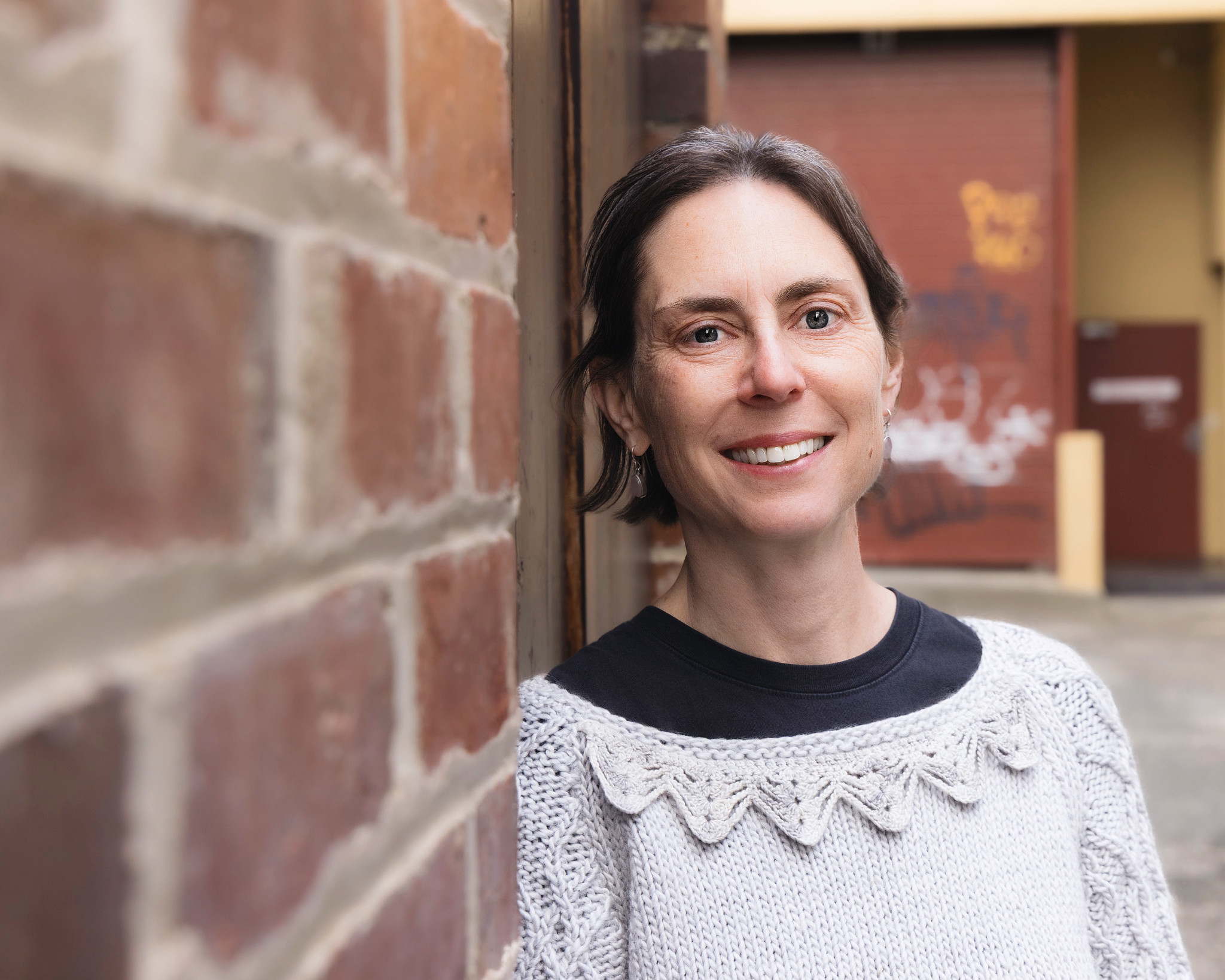
Zanna is a Professor of chemical oceanography at the Institute for Marine and Antarctic Studies (IMAS) at the University of Tasmania. Her expertise is in ocean biogeochemistry and paleoceanography, with a focus on the ocean's carbon cycle: how it has changed in the past, how it is changing today, and how it might change in the future, including through deliberate manipulation via ocean alkalinity enhancement and ocean iron fertilisation. She has extensive seagoing experience including leadership of major research voyages.
Role within ARVO: Voyage lead and Chief Scientist. Zanna oversees all scientific activities and coordinates with the Marine National Facility to deliver the voyage. Her research focus is on assessing the observational limits of tracking the plume of added particles. She is also interested in characterising the ambient sediment alkalinity flux.
Academic profile webpage: https://discover.utas.edu.au/Zanna.Chase
Google Scholar: https://scholar.google.com/citations?user=hn4ySXEAAAAJ&hl=en
Lennart Bach (UTAS)
Organisation: University of Tasmania
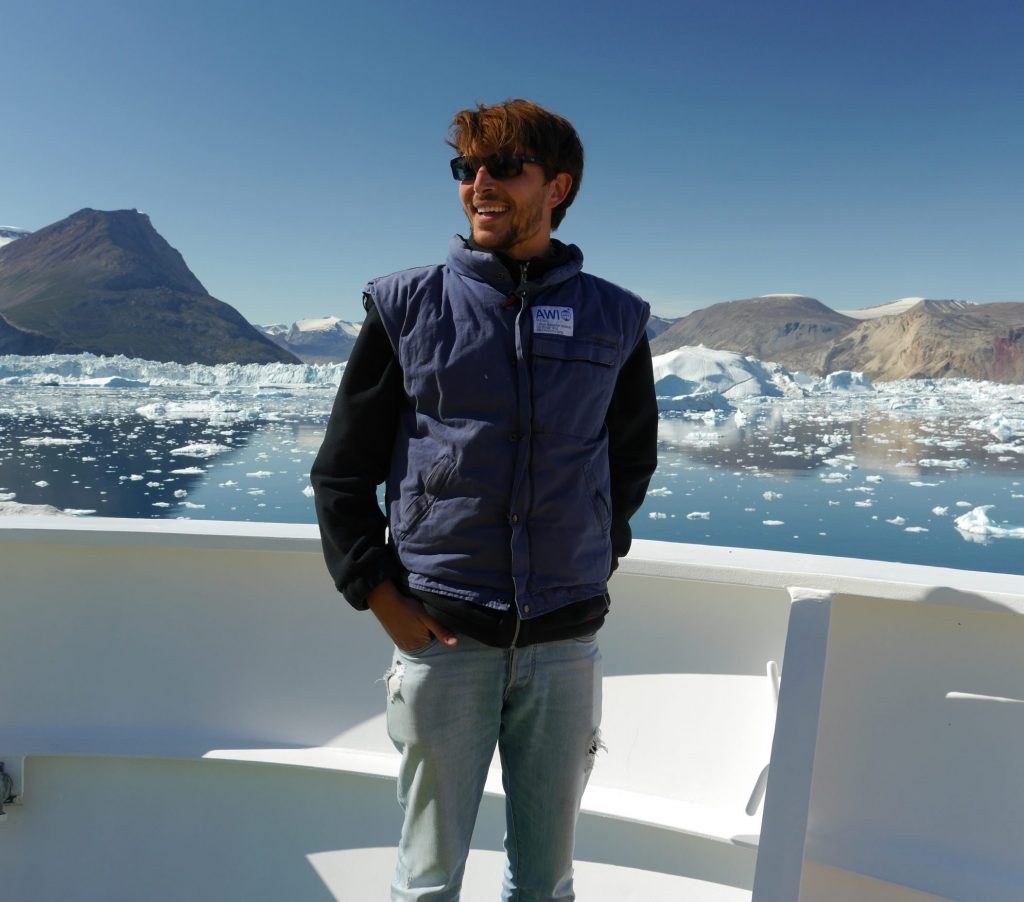
Lennart is an Associate Professor at the Institute for Marine and Antarctic Studies (IMAS) of the University of Tasmania (UTAS) where he studies the cycling of elements in the ocean, particularly the carbon cycle. He investigates the efficiency and sustainability of marine CO2 removal methods, including Ocean Alkalinity Enhancement, Ocean Afforestation, Ocean Iron Fertilization, and Artificial Upwelling.
Role within ARVO: Deputy voyage lead. Lennart's research focuses on the formation and loss of alkalinity during the ARVO study. He also investigates how organisms respond to the release of lime and associated changes in ocean chemistry.
Academic profile webpage: https://discover.utas.edu.au/lennart.bach
Google Scholar: https://scholar.google.com.au/citations?user=OU6AyyQAAAAJ&hl=en&oi=ao
LinkedIn or other social media: https://linkedin.com/in/lennart-bach-b3401b397
Harris Anderson (CSIRO)
Organisation: Commonwealth Scientific and Industrial Research Organisation (CSIRO)
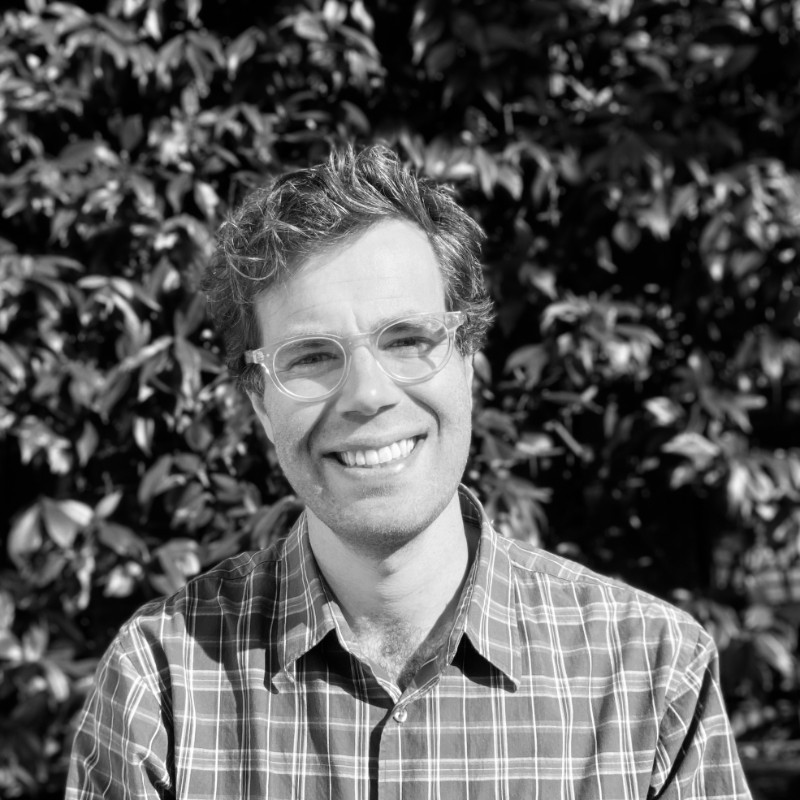
Harris is a postdoctoral research fellow at the Commonwealth Scientific and Industrial Research Organisation (CSIRO). He is a biogeochemical modeller, who studies carbon cycle dynamics and carbon dioxide removal in coastal waters around Australia.
Role within ARVO: Harris' research focusses on biogeochemical modelling to predict material dispersion and quantify potential carbon uptake.
Academic profile webpage: https://research.csiro.au/cem/people/
Google Scholar: https://scholar.google.com.au/citations?user=3-TuOf0AAAAJ&hl=en
Helen Bostock (UQ)
Organisation: University of Queensland
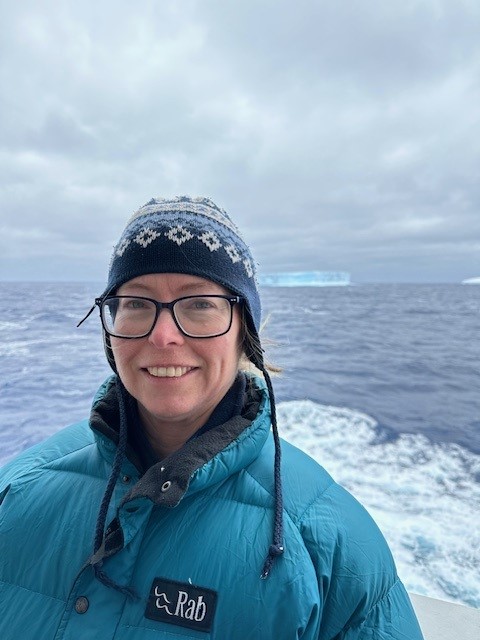
Helen is a Professor in the School of the Environment, University of Queensland where she studies ocean circulation and biogeochemical processes, including carbon cycling in the ocean. She investigates the natural carbon fluxes and cycling in the ocean between the sediments, water and atmosphere from a local to regional scale, from the coastal to the deep ocean.
Role within ARVO: Helen is a chief investigator on the voyage and will focus on the carbon in the sediments and incubation experiments.
Academic profile webpage: https://environment.uq.edu.au/profile/14190/helen-bostock
Google Scholar: https://scholar.google.com/citations?user=ZTQ3JPQAAAAJ&hl=en&oi=ao
LinkedIn or other social media: Bluesky @oceanhelen.bsky.social
Philip Boyd (UTAS)
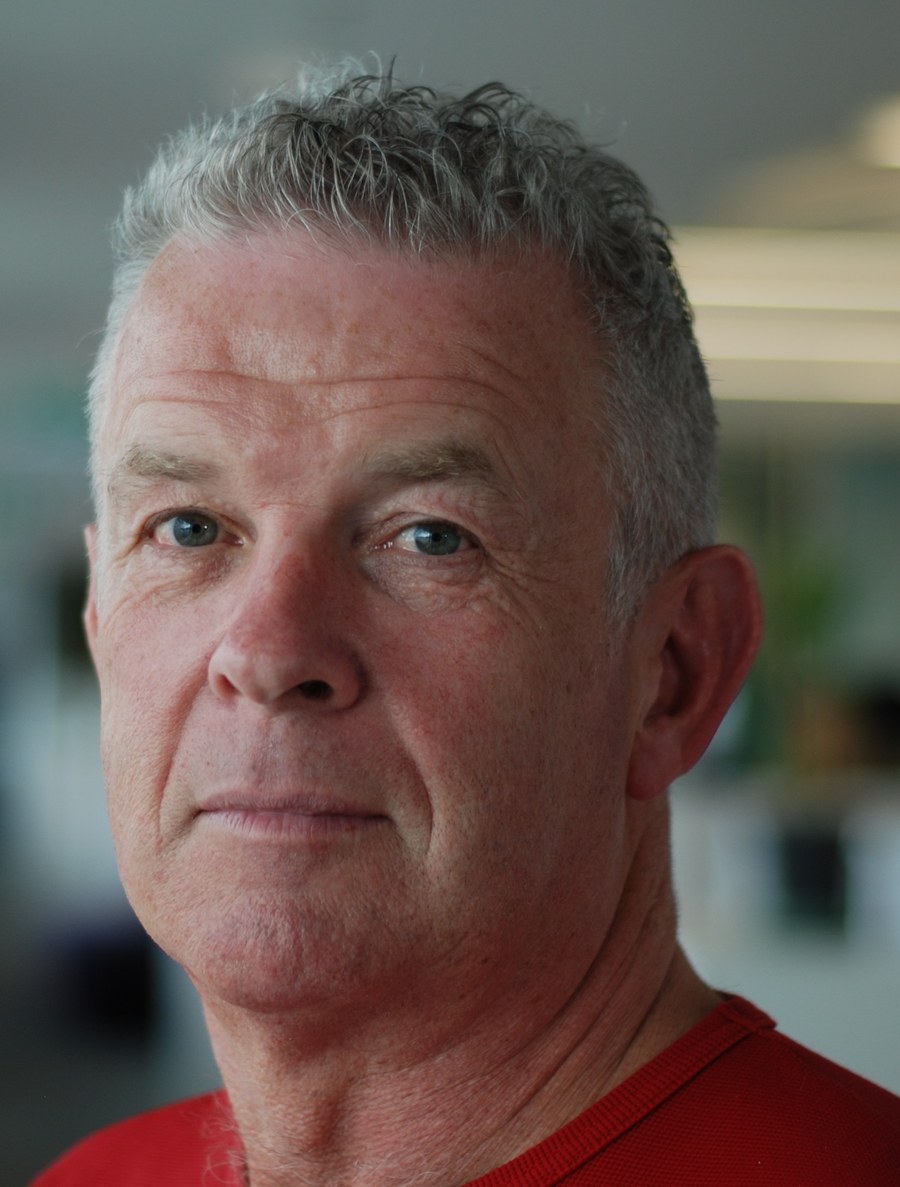
Organisation: University of Tasmania
Philip is a Professor at the Institute for Marine and Antarctic Studies (IMAS) of the University of Tasmania (UTAS). His research focusses on the biogeochemistry of the essential trace element iron in the Southern Ocean, the fate of sinking biogenic particles in the ocean's interior, and how multiple environmental stressors alter phytoplankton productivity. Philip is co-chair of the UN cross-agency GESAMP Working Group 41 on Ocean Interventions for Climate Change Mitigation, with a focus on the many facets of mCDR from governance to the development of integrated assessment tools.
Role within ARVO: Philip is providing information, gleaned from his decade as chair of GESAMP Working Group 41, for the ARVO study. He has experience in the design and the challenges of conducting complex open-ocean perturbation experiments.
Academic profile webpage: https://discover.utas.edu.au/philip.boyd
Scopus: https://www.scopus.com/authid/detail.uri?authorId=7103109066
GESAMP Working Group 41: https://www.gesamp.org/work/groups/41
AAPP contributed staff: https://aappartnership.org.au/our-contributed-staff/
ACEAS Program 2: https://antarctic.org.au/program-2/
Ellen Briggs (Scripps)
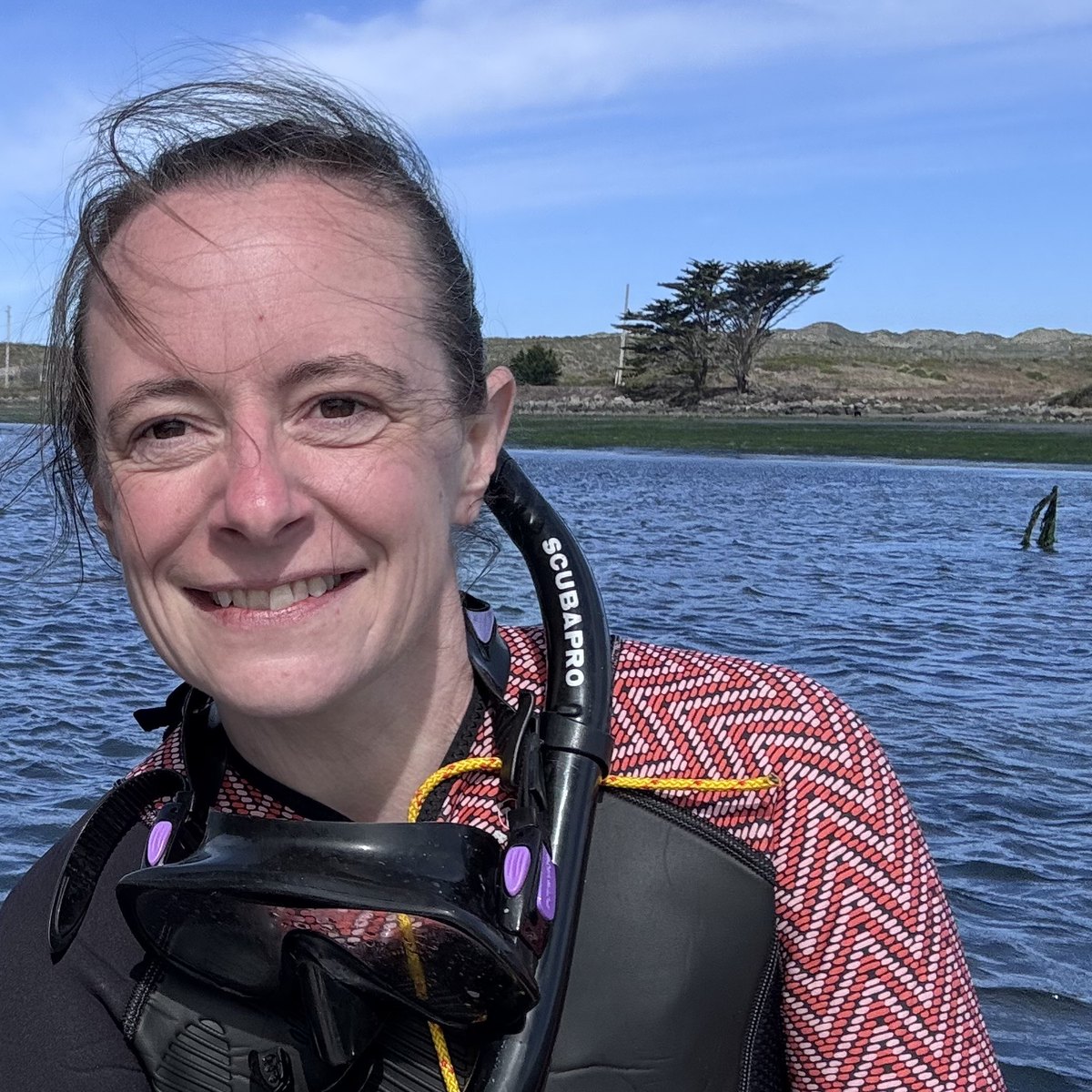
Organisation: Scripps Institution of Oceanography
Ellen is a Research Engineer at Scripps Institution of Oceanography where she focuses on developing sensor and measurement technologies for biogeochemical properties of natural waters. She recently spun out a company, Ocean Analytical Engineering, in a step towards bringing a novel sensor for measuring carbonate chemistry to market.
Role within ARVO: Ellen is interested in testing her carbonate sensor during the ARVO expeditions for monitoring changes in carbonate chemistry during alkalinity additions.
Google Scholar: https://scholar.google.com/citations?hl=en&user=j_jCBHYAAAAJ
LinkedIn or other social media: https://www.linkedin.com/in/ellen-briggs-2121a8297/
Damon Britton (UTAS)
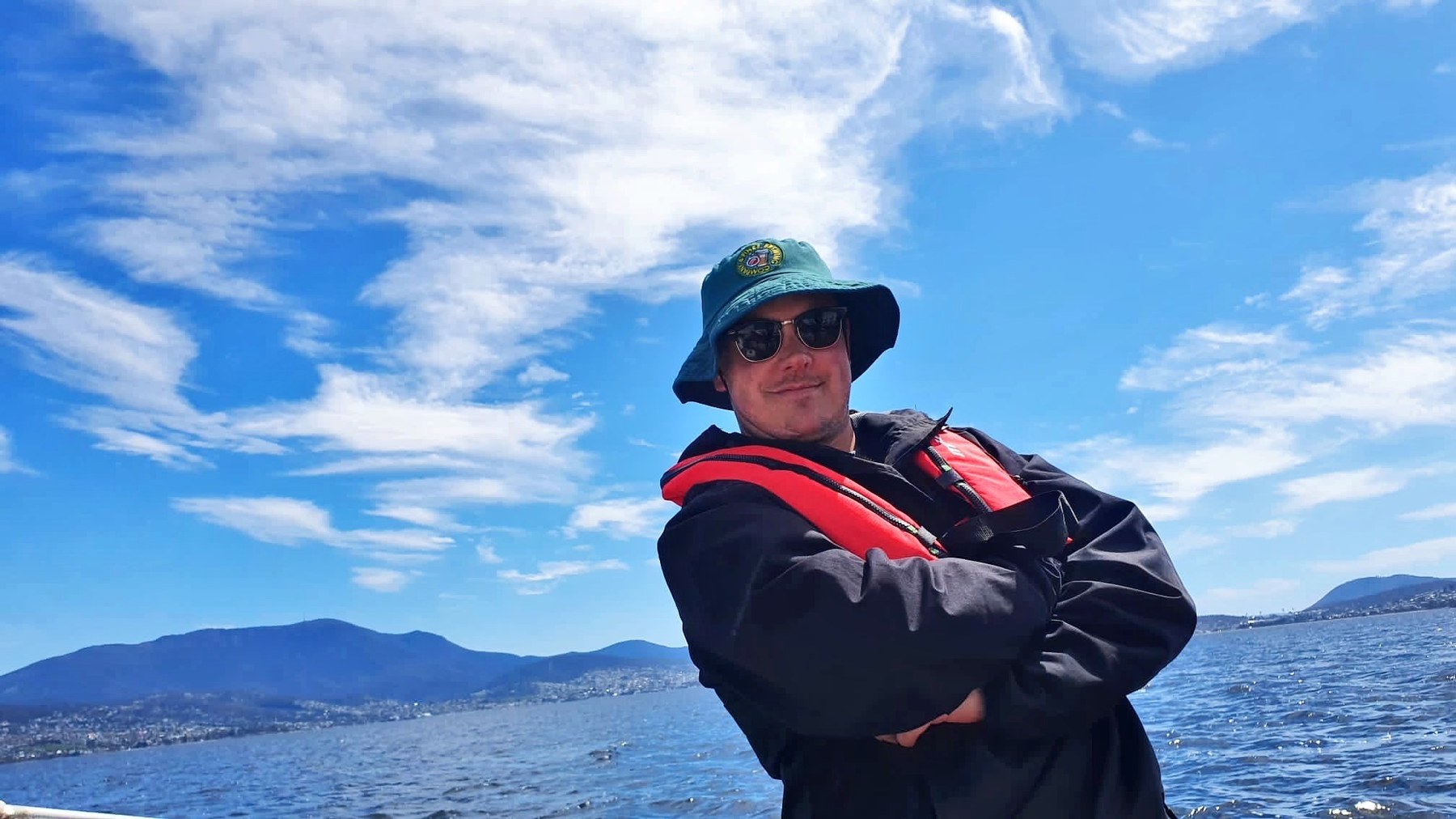
Organisation: University of Tasmania
Damon is a post-doctoral research fellow at the University of Tasmania. His primary research is focused on assessing the environmental effects of ocean alkalinity enhancement pathways such as coastal liming on benthic communities and species.
Role within ARVO: Damon's research will investigate the effects of the alkalinity release on benthic communities through a mixture of laboratory and field techniques.
Academic profile webpage: https://discover.utas.edu.au/Damon.Britton
Google Scholar: https://scholar.google.com/citations?hl=en&user=GXkTPysAAAAJ&view_op=list_works&sortby=pubdate
LinkedIn or other social media: https://www.linkedin.com/in/damon-britton-4a739441b/
Perran Cook (Monash)
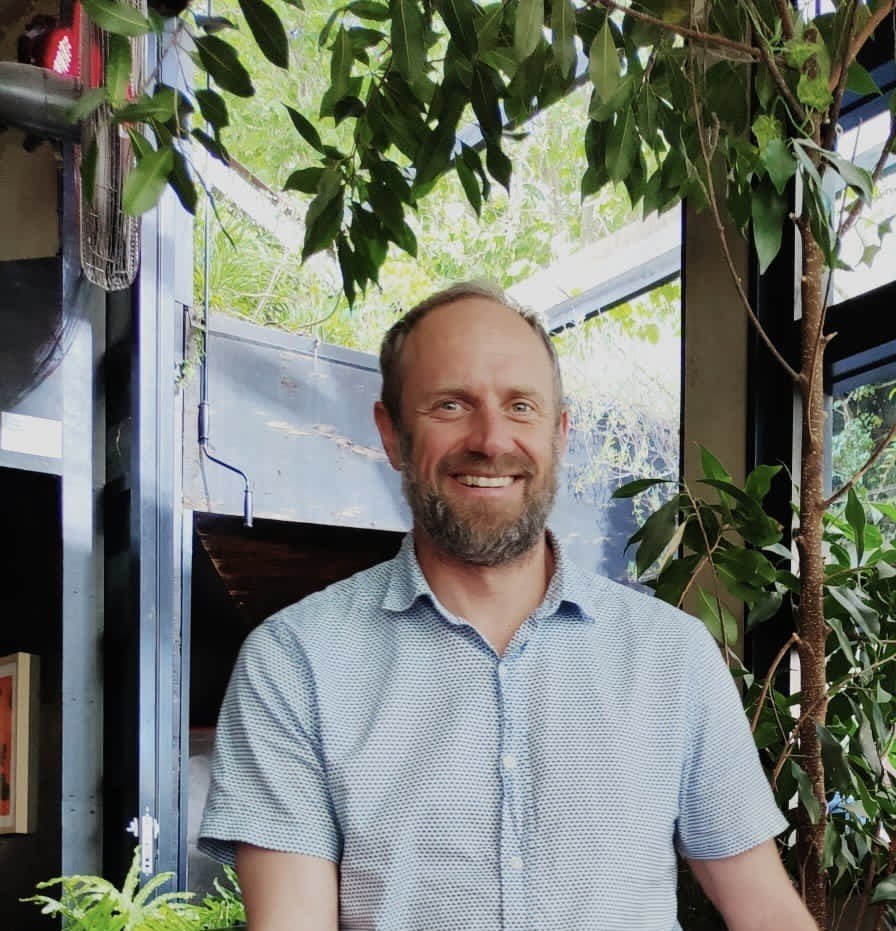
Organisation: Monash University
Perran is a Professor in the School of Chemistry, Monash University, where he studies the carbon and nitrogen cycles. Of key relevance to this project, he is interested in alkalinity consuming and producing processes within sediments and how OAE might feedback into this.
Role within ARVO: Perran is an associate researcher and will focus on alkalinity producing and consuming reactions within the sediments in the region of the ARVO voyage.
Academic profile webpage: https://research.monash.edu/en/persons/perran-cook/
Google Scholar: https://scholar.google.com/citations?view_op=list_works&hl=en&hl=en&user=loeQw9UAAAAJ&pagesize=100&sortby=pubdate
LinkedIn or other social media: https://www.linkedin.com/in/perran-cook-2444867/
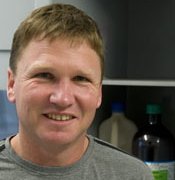
Michael Ellwood (ANU)
Organisation: Australian National University
Michael is a Professor at the Australian National University (ANU) whose research explores the role of trace metals, isotopes, and alkalinity in regulating ocean productivity, carbon cycling, and climate processes. He is interested studying how environmental change affects phytoplankton, coral reefs, and other marine ecosystems.
Role within ARVO: Michael's research focuses on identifying alkalinity thresholds that maximise carbon dioxide removal while maintaining seawater stability. He is particularly interested in how different alkalinity source inputs behave at elevated calcium carbonate saturation states and the factors that control their long-term persistence in the ocean.
Academic profile webpage: https://earthsciences.anu.edu.au/people/professor-michael-ellwood#affiliations
Google Scholar: https://scholar.google.com.au/citations?hl=en&user=DYx5h5kAAAAJ&view_op=list_works&sortby=pubdate
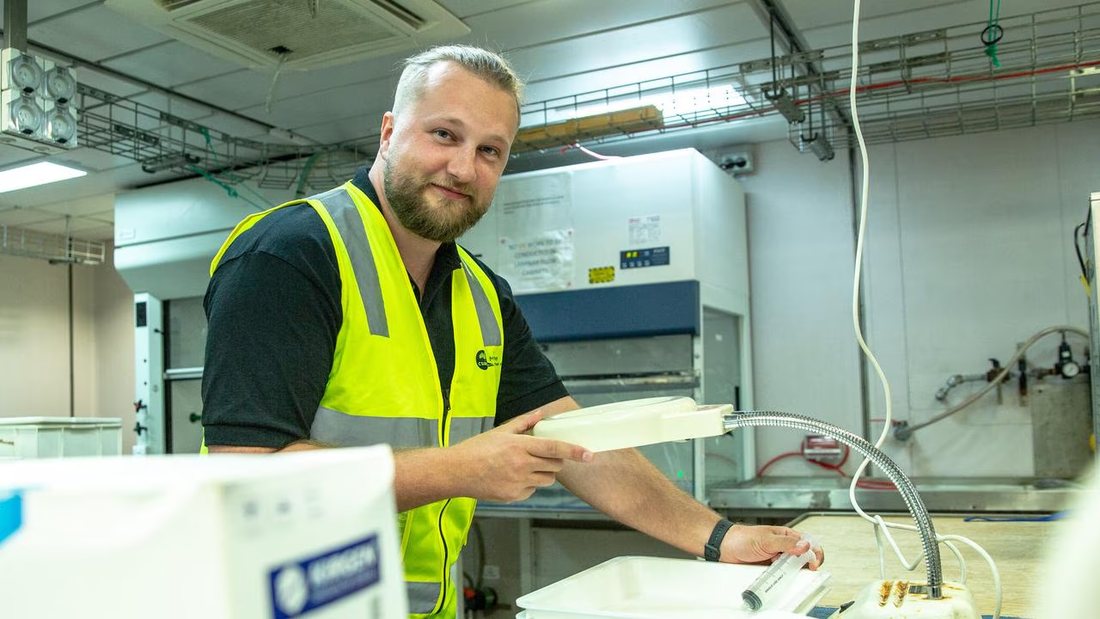
Jackson Griffin (UTAS)
Organisation: University of Tasmania
Jackson is an Honours student at the Institute for Marine and Antarctic Studies (IMAS) at the University of Tasmania. His research focusses on evaluating the potential ecological impacts and trophic transmission routes of Ocean Alkalinity Enhancement (OAE) in marine ecosystems, with broader interests in climate change mitigation and marine risk assessment.
Role within ARVO: Jackson will be developing an impact-pathway model and spatio-temporal vulnerability framework to assess how OAE-driven chemistry changes affect focal species and food webs during the Bass Strait field trial, helping to inform monitoring priorities and risk-retirement strategies.
LinkedIn or other social media: https://www.linkedin.com/in/jacksongriffin1337
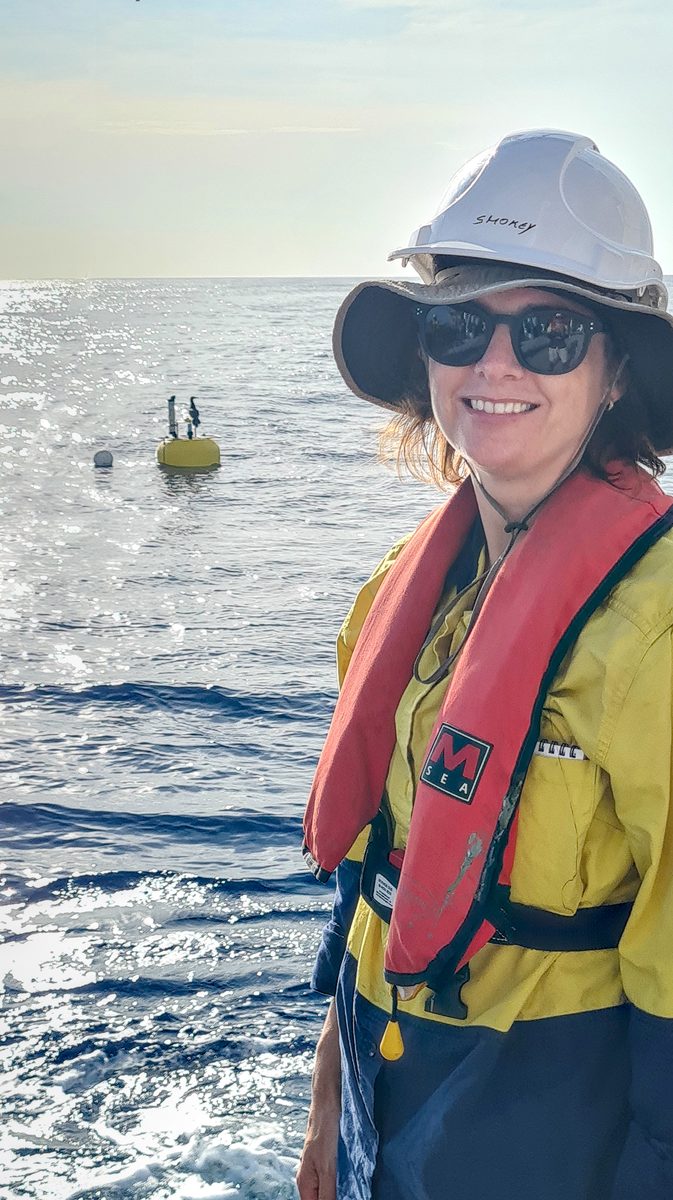
Nicole Jones (UWA)
Organisation: University of Western Australia
Nicole is a Professor at the School of Earth and Oceans and the UWA Oceans Institute at the University of Western Australia. She uses a combination of field observations and numerical modelling to study primarily relatively small-scale ocean dynamics, including turbulent mixing, internal waves and ocean eddies. Understanding these processes is vital to quantify the transport of heat, pollutants and nutrients around the ocean.
Role within ARVO: Nicole will be responsible for observing the turbulent mixing that disperses the tracer in the ocean. Nicole will also participate in the tracking of the plume.
Academic profile webpage: https://research-repository.uwa.edu.au/en/persons/nicole-jones/
Google Scholar: https://scholar.google.com/citations?user=xy7p2CEAAAAJ&hl=en&inst=3028249956058794315
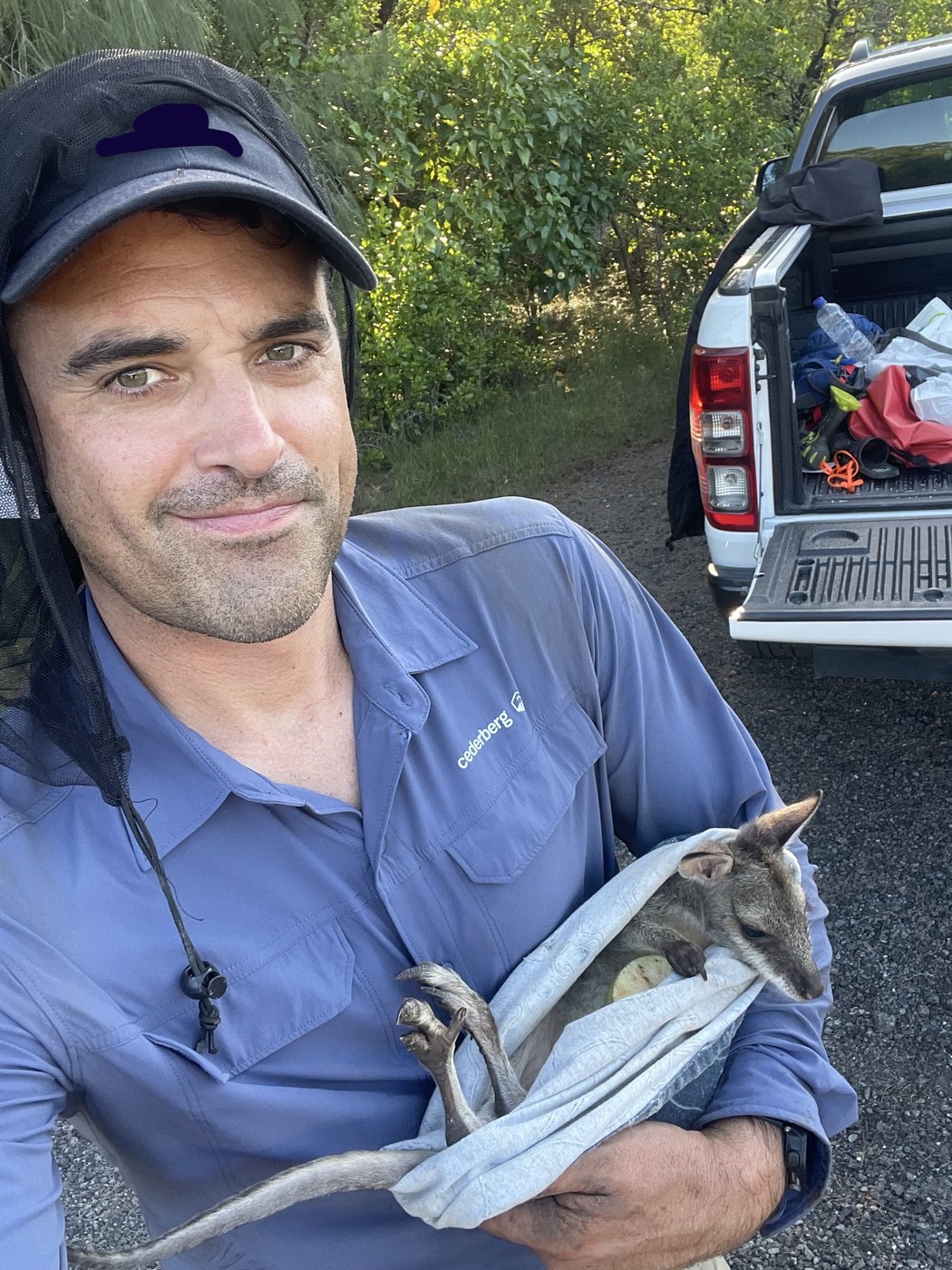
Peter Macreadie (RMIT)
Organisation: RMIT University
Peter is a Professor at RMIT University, Director of the Centre for Nature Positive Solutions, and an Australian Research Council Future Fellow. He is a marine ecologist whose research focuses on blue carbon, marine carbon cycling, nature-based climate solutions, and translating science into environmental policy, restoration and credible carbon markets.
Role within ARVO: Peter brings a background in blue carbon science, carbon markets and translating research into policy and practice. Within ARVO, he is primarily participating as an observer and adviser, applying lessons from the development of blue carbon to the emerging marine carbon dioxide removal field. He also helps connect the initiative with potential funders, policy networks and broader opportunities for research translation.
Academic profile webpage: https://www.rmit.edu.au/profiles/m/peter-macreadie
Google Scholar: https://scholar.google.com.au/citations?user=9JvxhlwAAAAJ&hl=en
LinkedIn or other social media: https://www.linkedin.com/in/peter-macreadie-82092728/
Jan McDonald (UTAS)
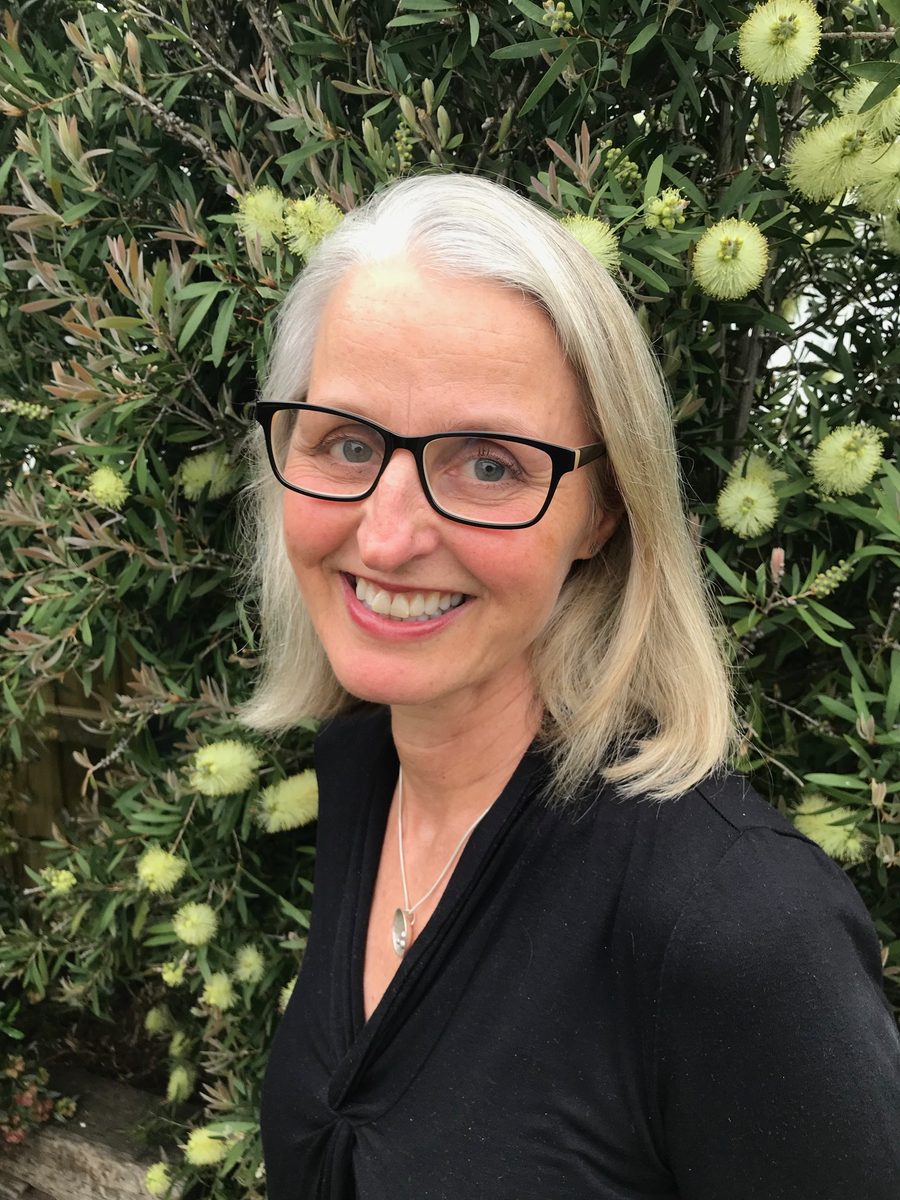
Organisation: University of Tasmania
Jan is a Professor of environmental and climate law and co-director of the Australian Forum for Climate Intervention Governance at the University of Tasmania. Her research currently focuses on the law and governance of climate interventions. She holds Australian Research Council grants for projects relating to both solar radiation management and carbon dioxide removal. She is a Fellow of the Australian Academy of Law, Lead Councillor with the Biodiversity Council, and serves on the Board of the Tasmanian Land Conservancy. She is a former President of the National Environmental Law Association and a member of the Australian Panel of Experts on Environmental Law.
Role within ARVO: Jan examines the legal and governance dimensions of ocean alkalinity enhancement research.
Academic profile webpage: https://discover.utas.edu.au/Jan.McDonald
Google Scholar: https://scholar.google.com/citations?hl=en&user=NEMTbV0AAAAJ
Hanna van de Mortel (UTAS)
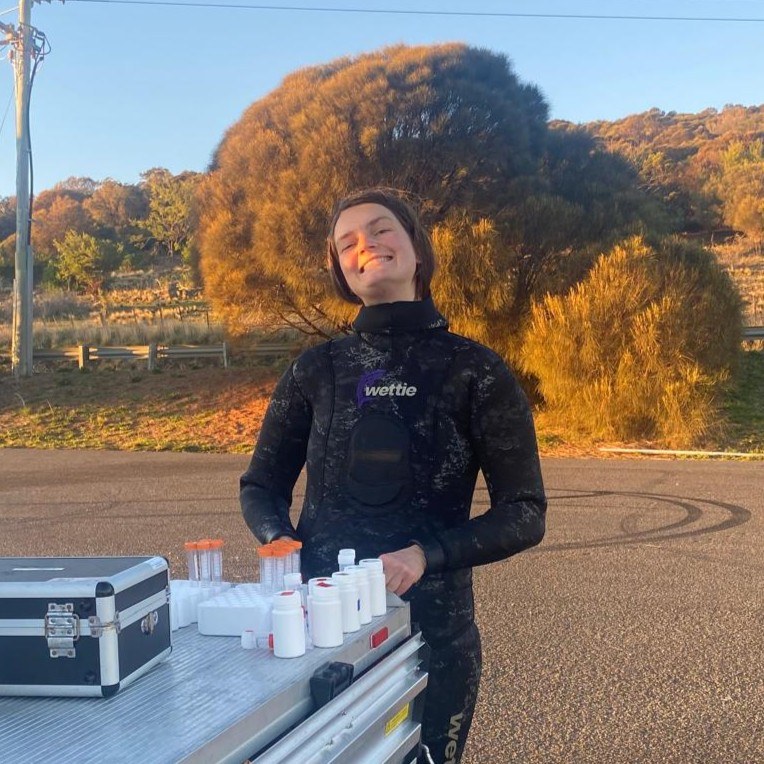
Organisation: University of Tasmania
Hanna is a PhD student at the Institute of Marine and Antarctic Studies (IMAS) of the University of Tasmania working in the Applied Marine Biogeochemistry group led by Lennart Bach. Her PhD is focused on the biogeochemical controls on alkalinity generation and carbonate system buffering during coastal liming, with broader interests in Ocean Alkalinity Enhancement and marine carbon cycling.
Role within ARVO: Hanna will be studying the near-field behaviour of crushed limestone added to the water column to determine whether secondary CaCO3 precipitation occurs and understand the conditions under which it forms.
Academic profile webpage: https://discover.utas.edu.au/Hanna.VanDeMortel
LinkedIn or other social media: https://www.linkedin.com/in/hannavdmortel/
Emily Ogier (UTAS)
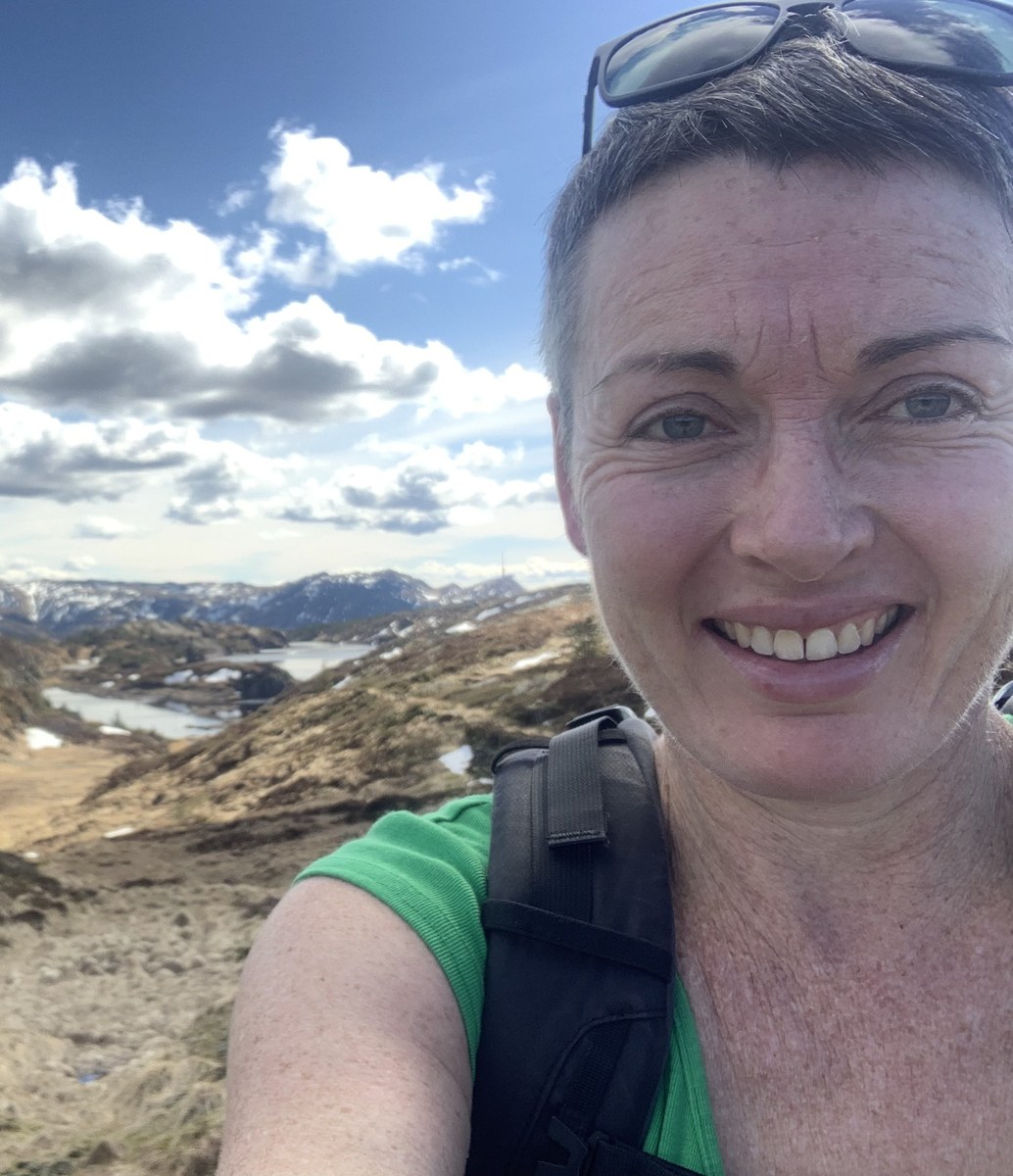
Organisation: University of Tasmania
Emily is an Associate Professor of marine social science and deputy co-director of the Centre for Marine Socioecology. She applies her research skills to support marine and coastal communities and sectors in sustainable transitions, working with marine ecologists, fish stock scientists, resource economists, biogeochemists, climate modellers, political scientists and others to integrate knowledge and explore solutions. Emily coordinates research programs concerned with human dimensions of marine systems, including communities, economies, behaviours, institutions, markets, knowledge production and other collective actions which interact with these marine systems. Increasingly, she works on future-facing research to support ocean leaders and communities anticipate and govern change.
Role within ARVO: Emily examines the social dimensions of ocean alkalinity enhancement research, working with local coastal and marine communities and decision makers to understand risk and benefit, and conditions for socially-responsible governance of OAE research and upscaled deployment.
LinkedIn or other social media: https://au.linkedin.com/pub/emily-ogier/46/a19/86
Riley Palmer (UTAS)
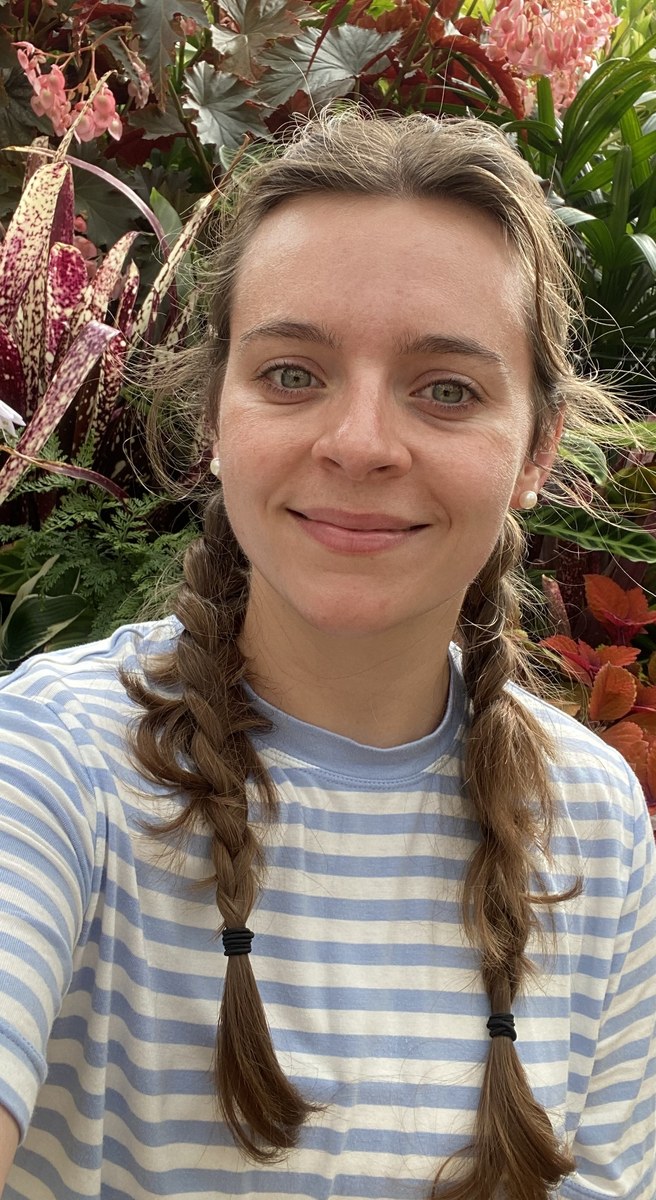
Organisation: University of Tasmania
Riley is a PhD candidate at the University of Tasmania's Institute for Marine and Antarctic Studies (IMAS) and is a member of the Applied Marine Biogeochemistry Lab. Her research focuses on coastal sediment biogeochemistry, carbonate cycling, and alkalinity generation, with a particular emphasis on Ocean Alkalinity Enhancement (OAE) as a marine carbon dioxide removal strategy. Her research investigates how marine sediments influence carbon storage and the effectiveness of Ocean Alkalinity Enhancement as a climate mitigation strategy.
Role within ARVO: Riley's role within ARVO is to investigate the transport and fate of alkaline materials following deployment. She will quantify particle dispersion, dissolution kinetics, and sediment accumulation. This will be done to determine the proportion of added alkaline material that reaches the seafloor and contributes to benthic weathering processes. This work will help improve understanding of OAE efficiency and sediment-based carbon removal pathways.
Google Scholar: https://scholar.google.com/citations?hl=en&tzom=-600&user=ZC0Zg_YAAAAJ
LinkedIn or other social media: https://www.linkedin.com/in/riley-m-palmer/
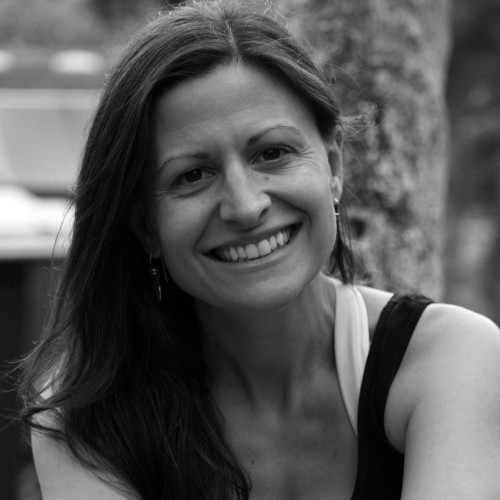
Katherina Petrou (UTS)
Organisation: University of Technology Sydney
Katherina is an Associate Professor at the University of Technology Sydney where she studies microalgal physiology in response to environmental change. She investigates photomechanistic effects, biomineralisation and biochemical compositional changes at both the single cell and community level.
Role within ARVO: Member of the scientific team. Her research focuses on phytoplankton physiological and biomolecular responses to ocean alkalinisation during the ARVO study.
Academic profile webpage: https://profiles.uts.edu.au/Katherina.Petrou
Google Scholar: https://scholar.google.com/citations?user=dg_anfwAAAAJ&hl=en&inst=8615794581978883182
Homepage: https://katherinapetrou.com/
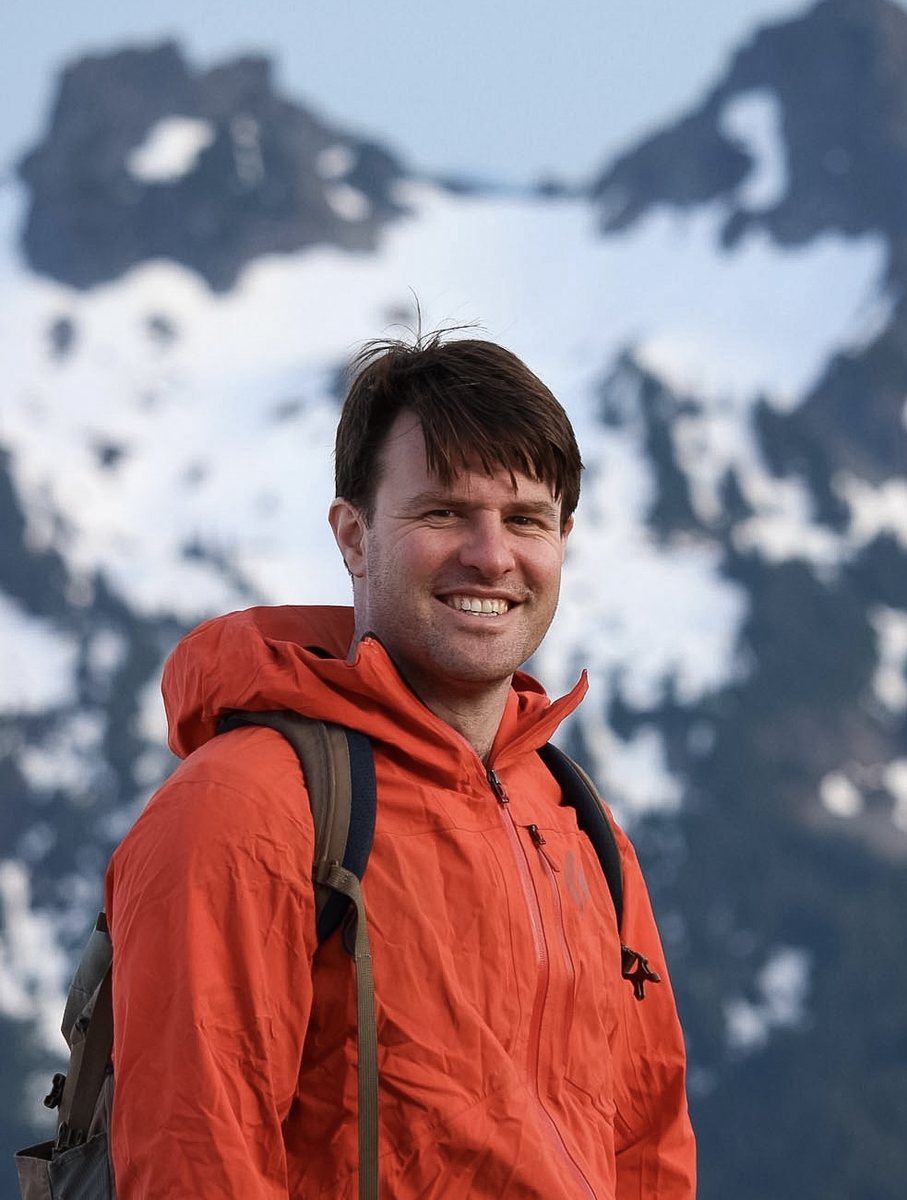
Max Rintoul (UTAS)
Organisation: University of Tasmania
Max is a postdoctoral research fellow at the University of Tasmania. He models biogeochemical processes within coastal sediments to determine how ocean alkalinity enhancement will affect natural alkalinity cycling to better enable us to assess how effective it may be as a carbon dioxide removal method.
Role within ARVO: Max will use field and laboratory measurements to tune a benthic sediment model, allowing the ARVO team to develop a process-based understanding of how the deployment alters benthic biogeochemical fluxes.
Google Scholar: https://scholar.google.com/citations?user=rg24FscAAAAJ&hl=en
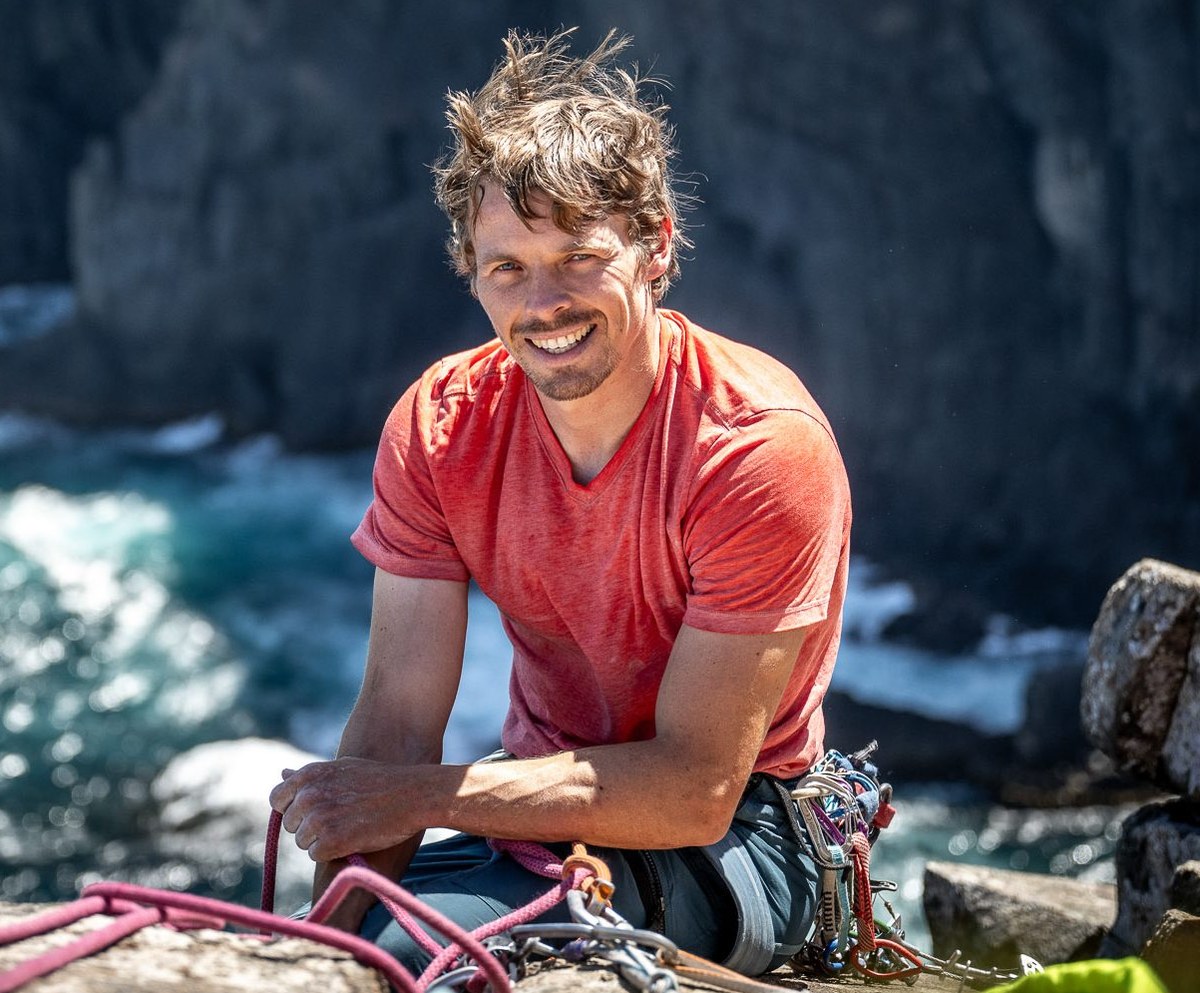
Tyler Rohr (UTAS)
Organisation: University of Tasmania
Tyler is an ARC DECRA Fellow and Senior Lecturer at the Institute for Marine and Antarctic Studies (IMAS) at the University of Tasmania (UTAS). He co-leads the marine CO2 Removal (mCDR) research program within the Future Oceans Centre of Excellence. He is broadly interested in the marine carbon cycle and its interactions with global climate. His work spans topics across marine biogeochemistry, physical oceanography, Earth system modelling, and policy to unravel the connections between the ocean, our climate, and how society might grapple with, or even augment, the powerful connections between the two.
Role within ARVO: Water-column in-situ measurements lead. Tyler will construct theoretical budgets for alkalinity and carbon across various domains, then assess what observational techniques the team can use to directly measure or infer each term in the budgets. He will coordinate across the voyage specialists to ensure the necessary measurements are being made at sea. Closing these budgets and quantifying their uncertainty margin will help the team understand how efficiently added alkaline material can store carbon in the ocean.
Academic profile webpage: https://discover.utas.edu.au/Tyler.Rohr
Google Scholar: https://scholar.google.com/citations?user=VtE1EfcAAAAJ&hl=en
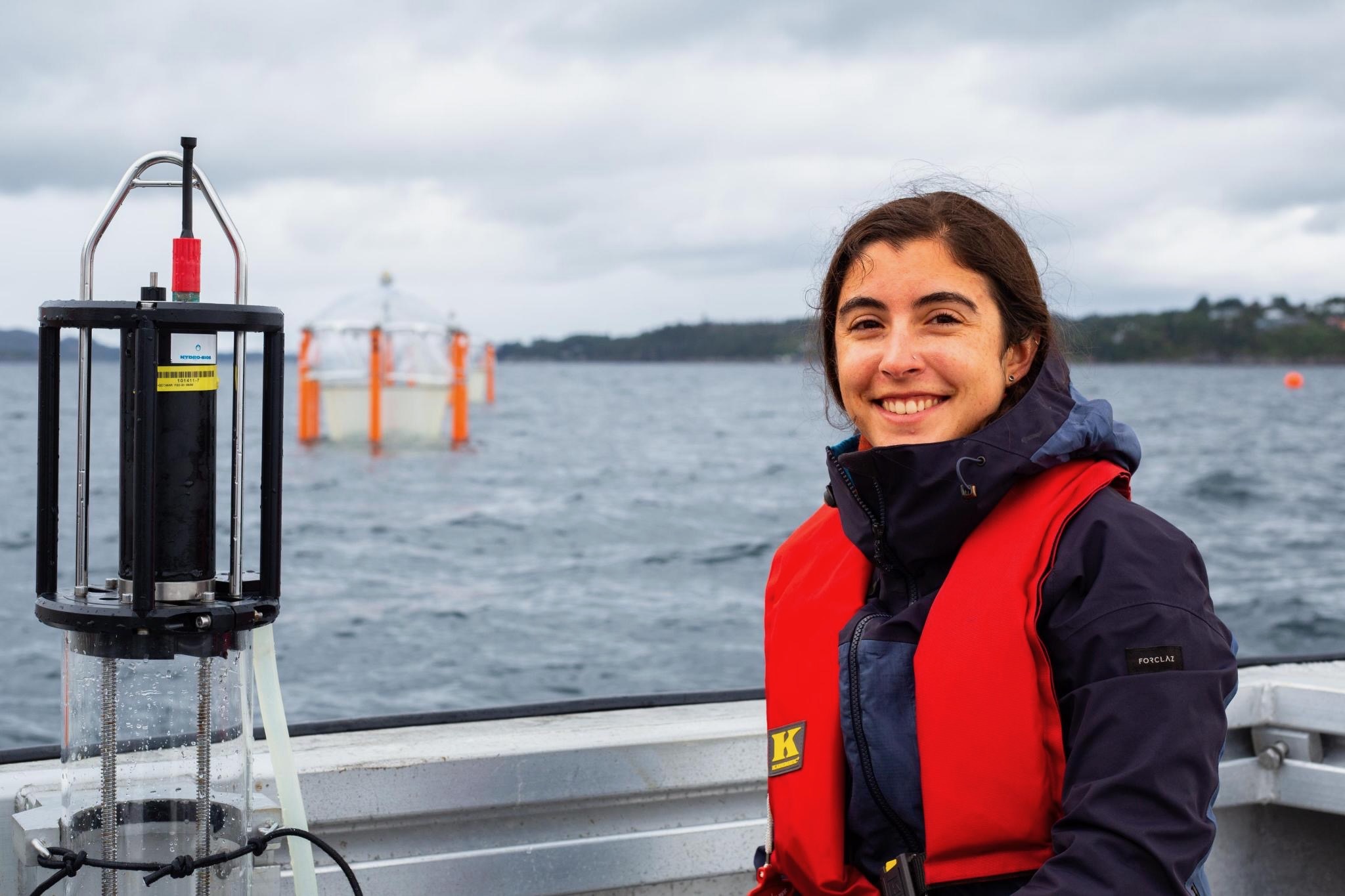
Julieta Schneider (SCU)
Organisation: Southern Cross University
Julieta is a PhD candidate at Southern Cross University, Australia, supervised by Kai Schulz. Coming from a chemical background, Julieta's research focuses on Ocean Alkalinity Enhancement (OAE) as a marine carbon dioxide removal strategy, particularly examining perturbations to carbonate cycling and potential impacts on pelagic communities, primarily phytoplankton. Julieta is exploring waste materials that could be used as OAE feedstock.
Role within ARVO: Julieta will test various alkaline feedstocks on Bass Strait pelagic communities to understand feedstock dissolution/precipitation dynamics and their effects on carbonate chemistry, and to assess potential biological impacts associated with OAE.
LinkedIn: https://www.linkedin.com/in/julietaschneider23/
ResearchGate: https://www.researchgate.net/profile/Julieta-Schneider
Kai Schulz (SCU)
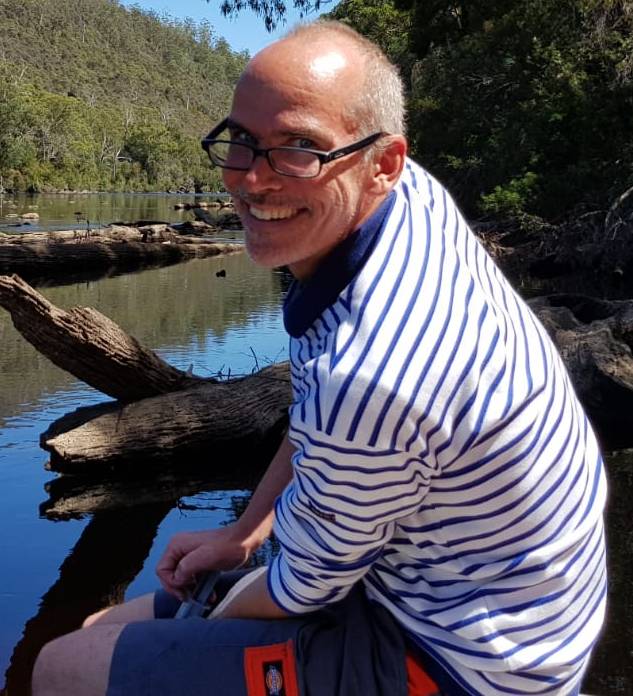
Organisation: Southern Cross University
Kai is a biological oceanographer and biogeochemist at Southern Cross University, Australia. In his capacity as Associate Professor he studies human-induced perturbations to marine element cycling, ecosystem functioning and climate feedbacks. This includes various aspects of potential mitigation strategies of marine carbon dioxide removal, such as biological impacts, efficiency and permanence.
Role within ARVO: Kai's focus will be on assessing potential biological impacts of various alkalinity sources on Bass Strait pelagic communities, including alkaline particle dynamics.
Academic profile webpage: https://www.scu.edu.au/about/contacts/directory/112325/
Google Scholar: https://scholar.google.com/citations?user=8xjUgc8AAAAJ&hl=en
Elizabeth Shadwick (CSIRO)
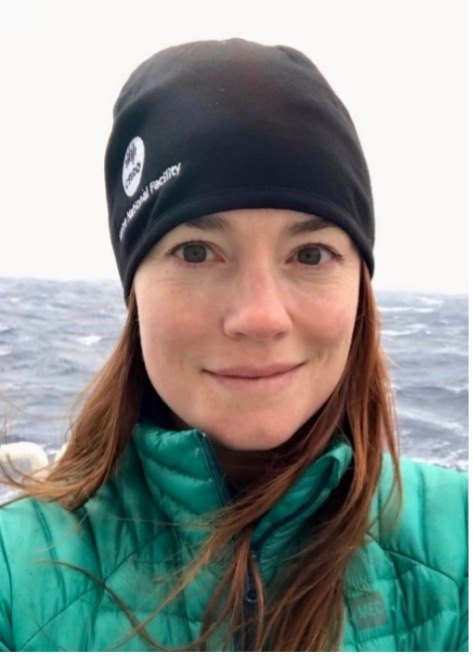
Organisation: Commonwealth Scientific and Industrial Research Organisation (CSIRO)
Elizabeth is Principal Research Scientist at CSIRO in Hobart. She is interested in the marine carbon cycle and distinguishing between natural variability and anthropogenic change. She has worked on carbon chemistry and ocean acidification across many environments from the North Atlantic, to the Arctic, to the Southern Ocean. Her work is based on observations, laboratory analyses, autonomous sensors deployed on floats and moorings, and the outputs of biogeochemical models. Elizabeth recently led a CSIRO project under the CarbonLock Future Science Platform focused on evaluating the feasibility of alkalinity enhancement in Tasmania.
Role within ARVO: Elizabeth will contribute CO2 system observations, including the collection of samples for inorganic carbon system analyses and the deployment of autonomous and underway sensors during the voyage.
Academic profile webpage: https://people.csiro.au/s/e/elizabeth-shadwick
Google Scholar: https://scholar.google.com/citations?user=KjrbFeMAAAAJ&hl=en
LinkedIn or other social media: https://www.linkedin.com/in/elizabeth-shadwick-6ba2a1252/
Pete Strutton (UTAS)
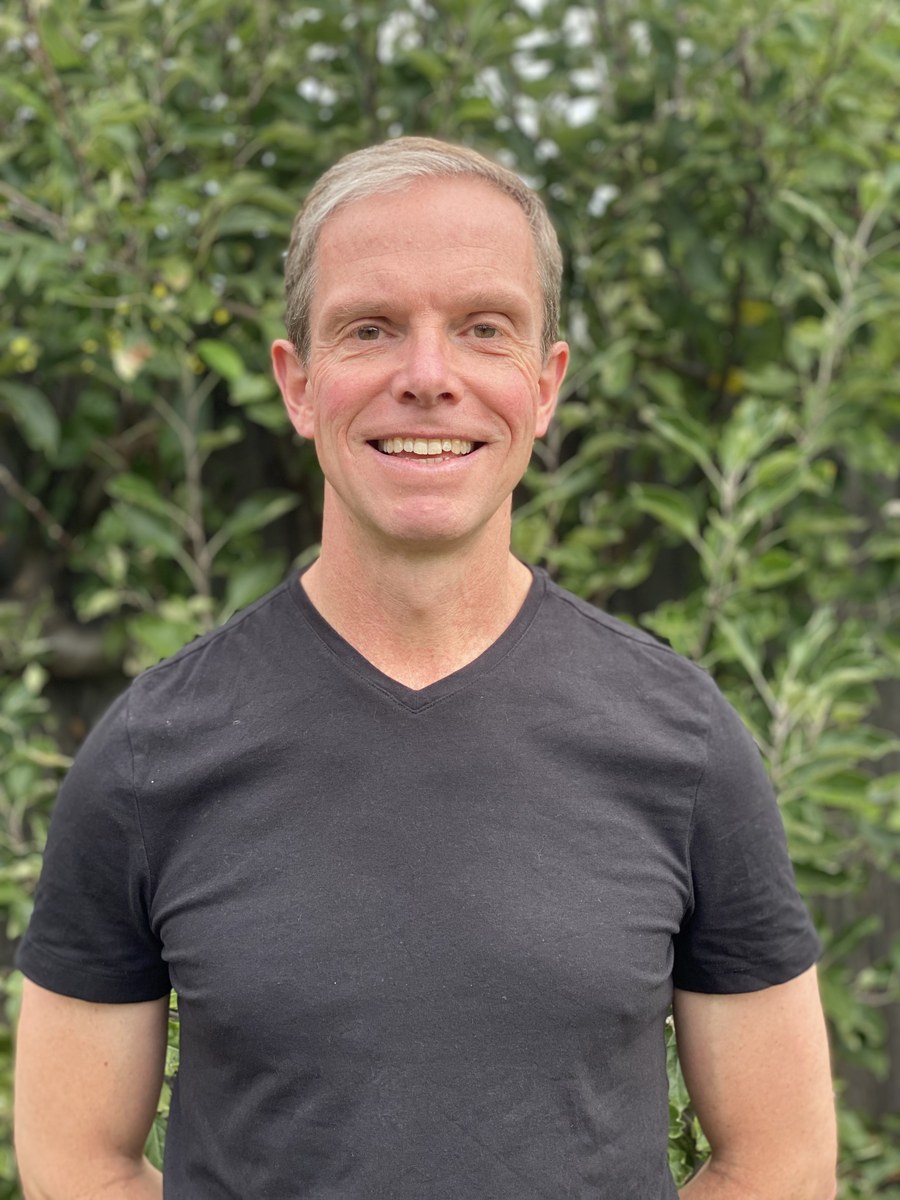
Organisation: University of Tasmania
Pete is a Professor at the Institute for Marine and Antarctic Studies (IMAS), University of Tasmania (UTAS). His research interests are in the processes that regulate ocean productivity, including carbon uptake by the ocean and the exchange of CO2 at the air-sea interface. He works with students and researchers who use profiling floats and satellite data to understand the interaction between ocean physics and biogeochemistry.
Role within ARVO: Pete will be responsible for the system that deploys the tracer (calcium carbonate powder) into the ocean, and for tracking the patch using bio-optical instruments. He will also make measurements of phytoplankton pigments and carbon biomass.
Academic profile webpage: https://discover.utas.edu.au/Pete.Strutton
Google Scholar: https://scholar.google.com/citations?user=dD3nx5kAAAAJ&hl=en
Robert Strzepek (UTAS)
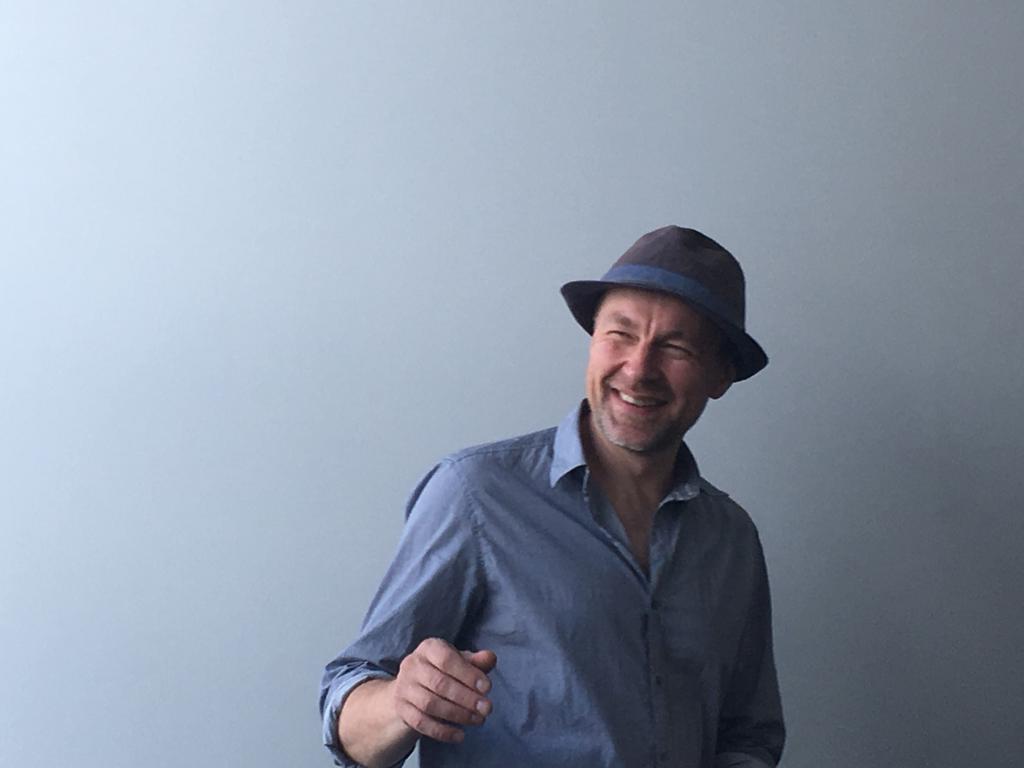
Organisation: University of Tasmania
Robert is a Senior Research Fellow with the Australian Antarctic Program Partnership (AAPP) at the Institute for Marine and Antarctic Studies (IMAS) of the University of Tasmania (UTAS). He couples trace metal clean environmental manipulation laboratory studies with ocean-going voyages to address fundamental questions in phytoplankton physiology and ecology and aspects of ocean biogeochemistry related to the cycling of major nutrients and trace metals in the Southern Ocean.
Role within ARVO: Robert will be using large volume (1000 L) mesocosm experiments to investigate the response of the planktonic community to ocean alkalinity enhancement.
Academic profile webpage: https://discover.utas.edu.au/Robert.Strzepek
Google Scholar: https://scholar.google.com.au/citations?hl=en&user=ZlHZFt8AAAAJ
Kerrie Swadling (UTAS)
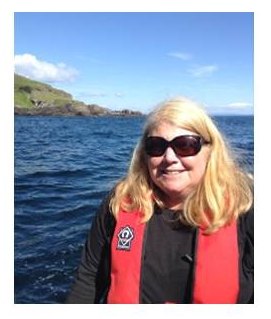
Organisation: University of Tasmania
Kerrie is an adjunct Associate Professor with the Australian Antarctic Program Partnership (AAPP) at the Institute for Marine and Antarctic Studies (IMAS), University of Tasmania (UTAS). Kerrie studies the ecology of pelagic species from Tasmania to the Antarctic continent, focussing on autoecology of dominant species, changes in pelagic communities over time, and the prey fields of subantarctic marine predators.
Role within ARVO: Kerrie will use vital staining techniques to examine how zooplankton respond directly to the alkalinity release in the field. She will also investigate how zooplankton respond under controlled experimental conditions in the laboratory.
Academic profile webpage: https://discover.utas.edu.au/k.swadling
Google Scholar: https://scholar.google.com/citations?user=U_cyWMcAAAAJ&hl=en
Yinghuan Xie (WHOI)
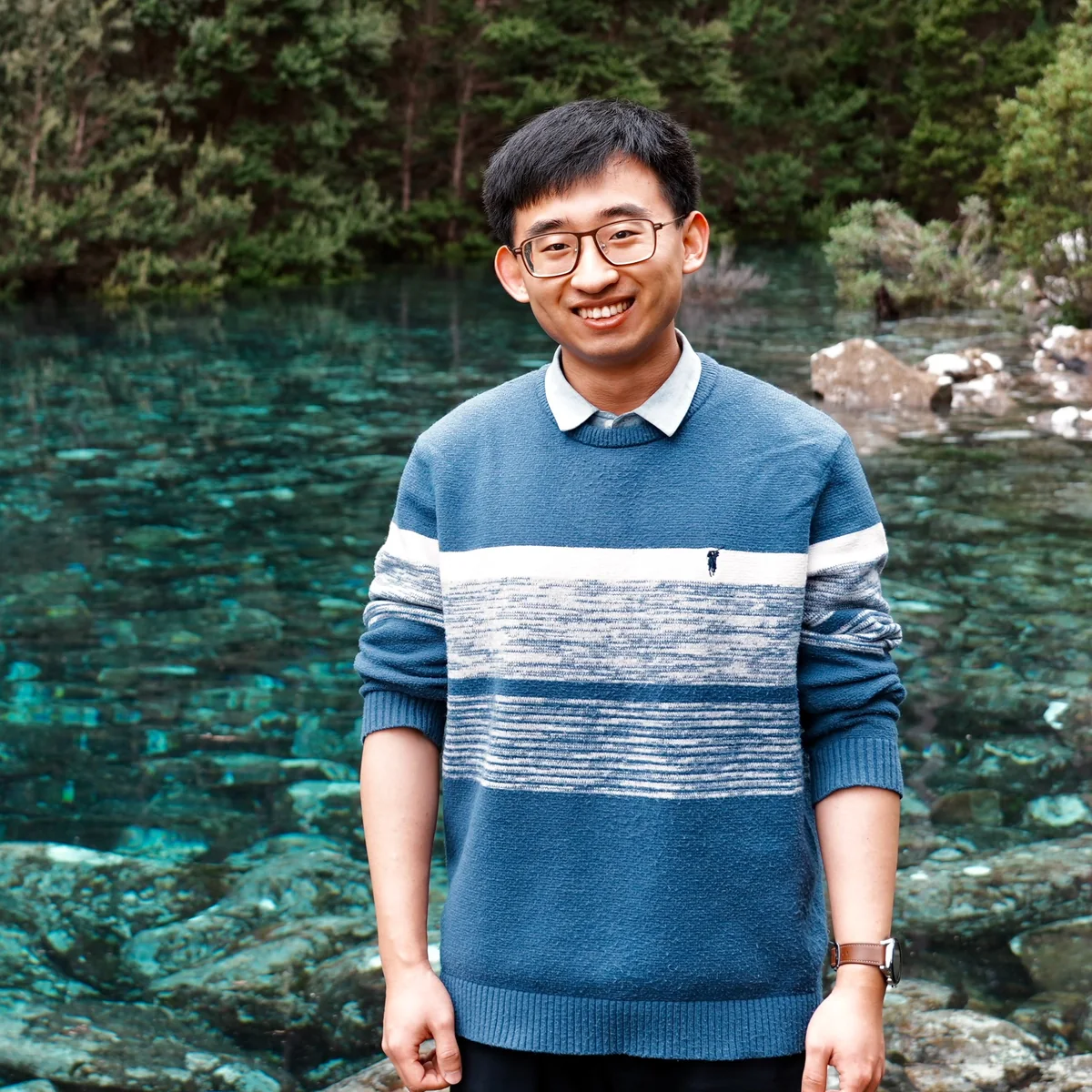
Organisation: Woods Hole Oceanographic Institution
Yinghuan completed his PhD at the University of Tasmania under the supervision of Lennart Bach, investigating the physical oceanographic constraints on marine carbon dioxide removal. He is now a Postdoctoral Fellow at the Woods Hole Oceanographic Institution, working on ocean alkalinity enhancement. He develops computationally efficient Lagrangian modelling methods to investigate alkalinity dispersion, estimate atmospheric CO2 uptake, and support monitoring, reporting, and verification (MRV). His broader interests lie in using ocean and Earth system models to understand the marine carbon cycle and assess the potential of marine carbon dioxide removal methods.
Role within ARVO: Yinghuan uses virtual Lagrangian tools to assess the efficiency of air-sea CO2 fluxes driven by ocean alkalinity enhancement
Academic profile webpage: https://discover.utas.edu.au/Yinghuan.Xie
Google Scholar: https://scholar.google.com.au/citations?hl=en&user=kwGSLSAAAAAJ
LinkedIn or other social media: https://www.linkedin.com/in/yinghuan-xie-6a1459206/