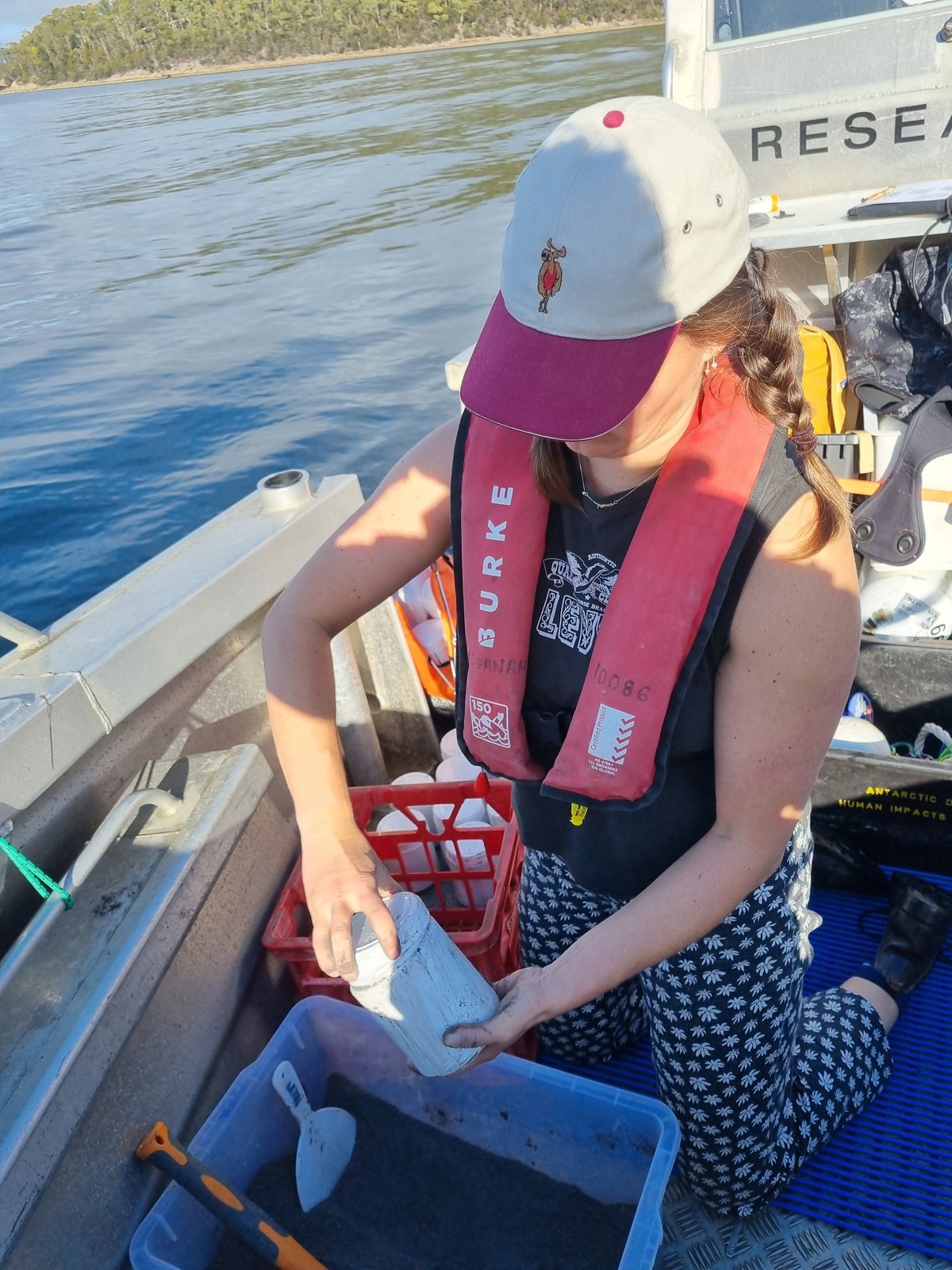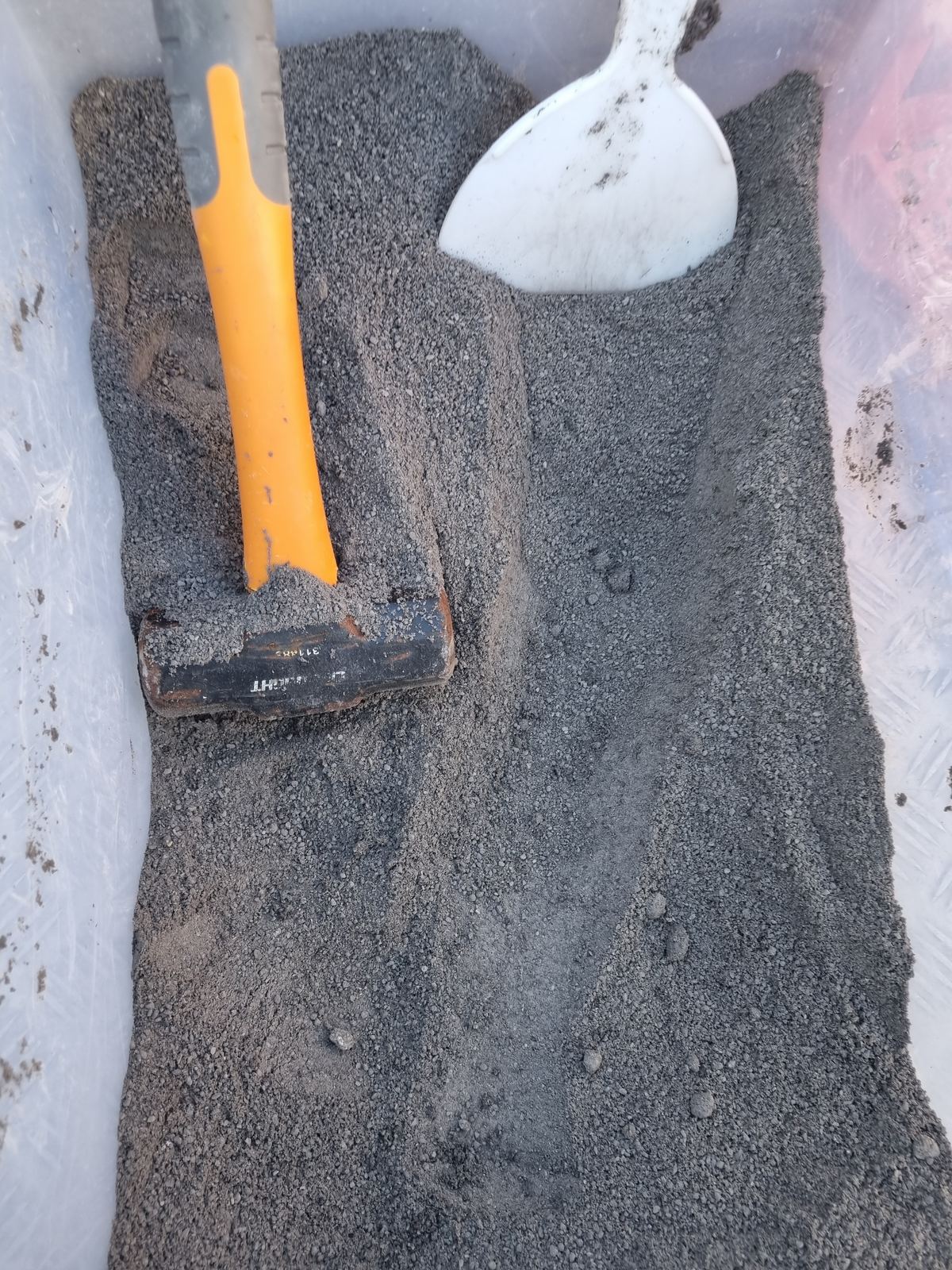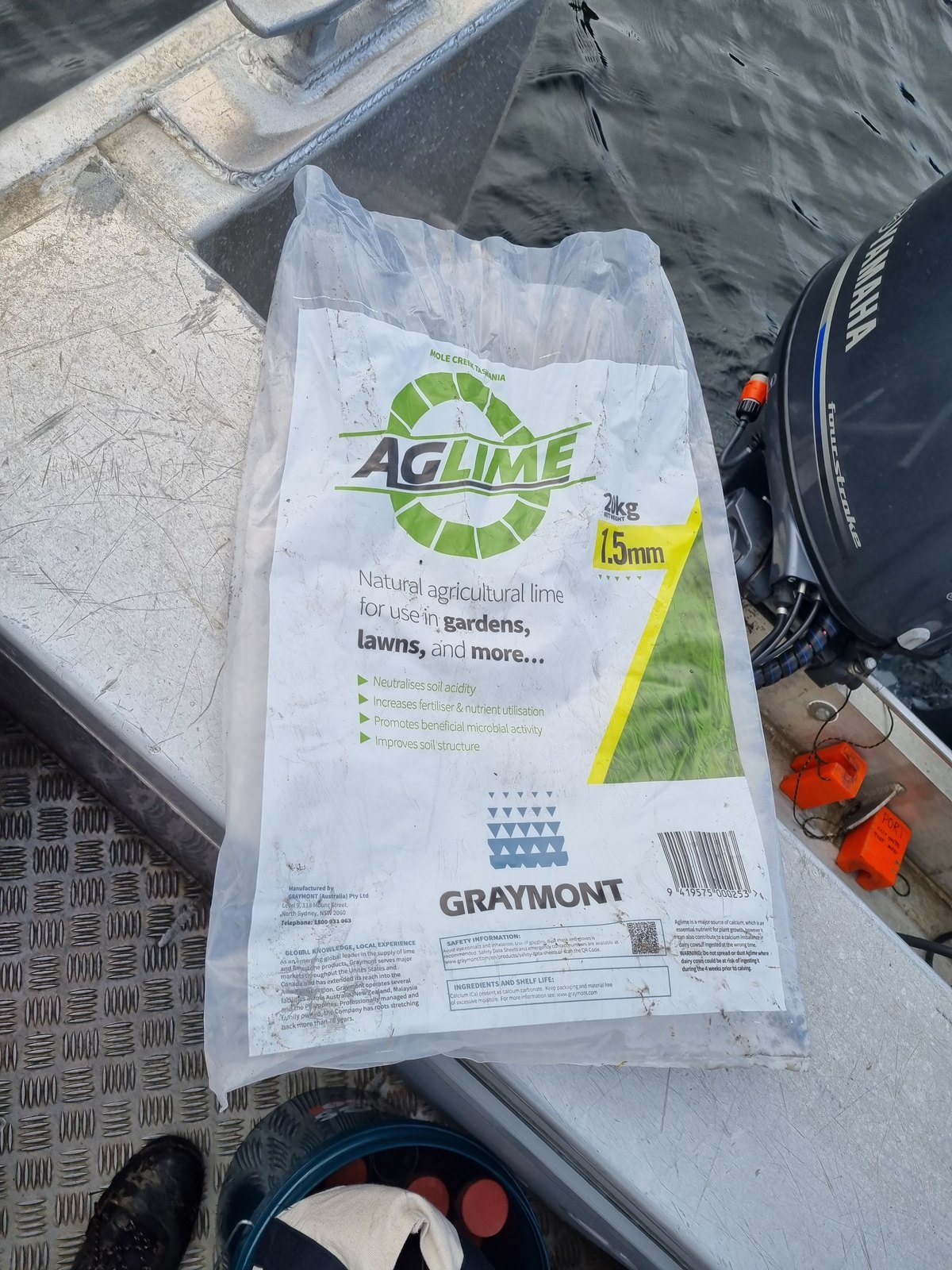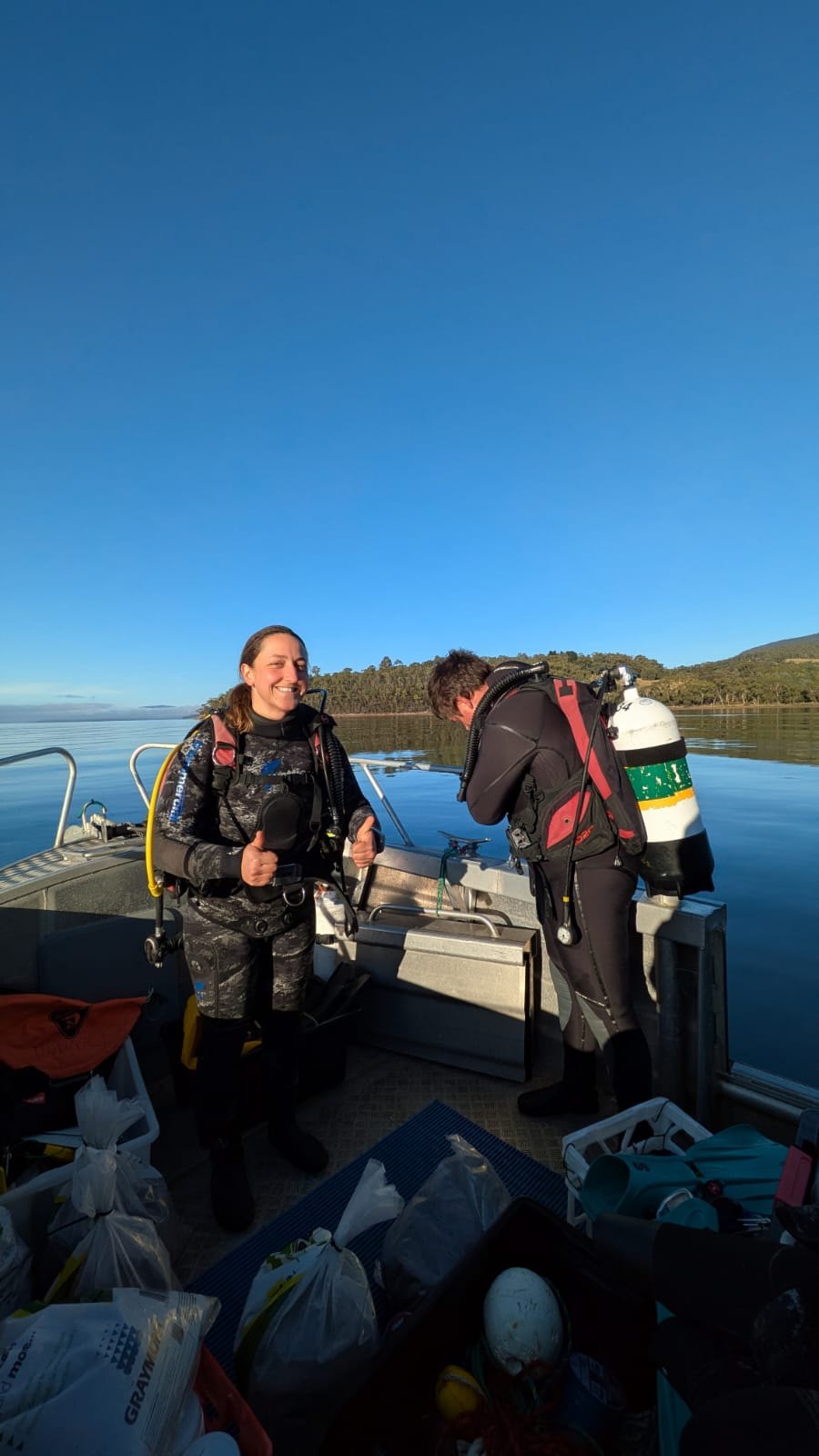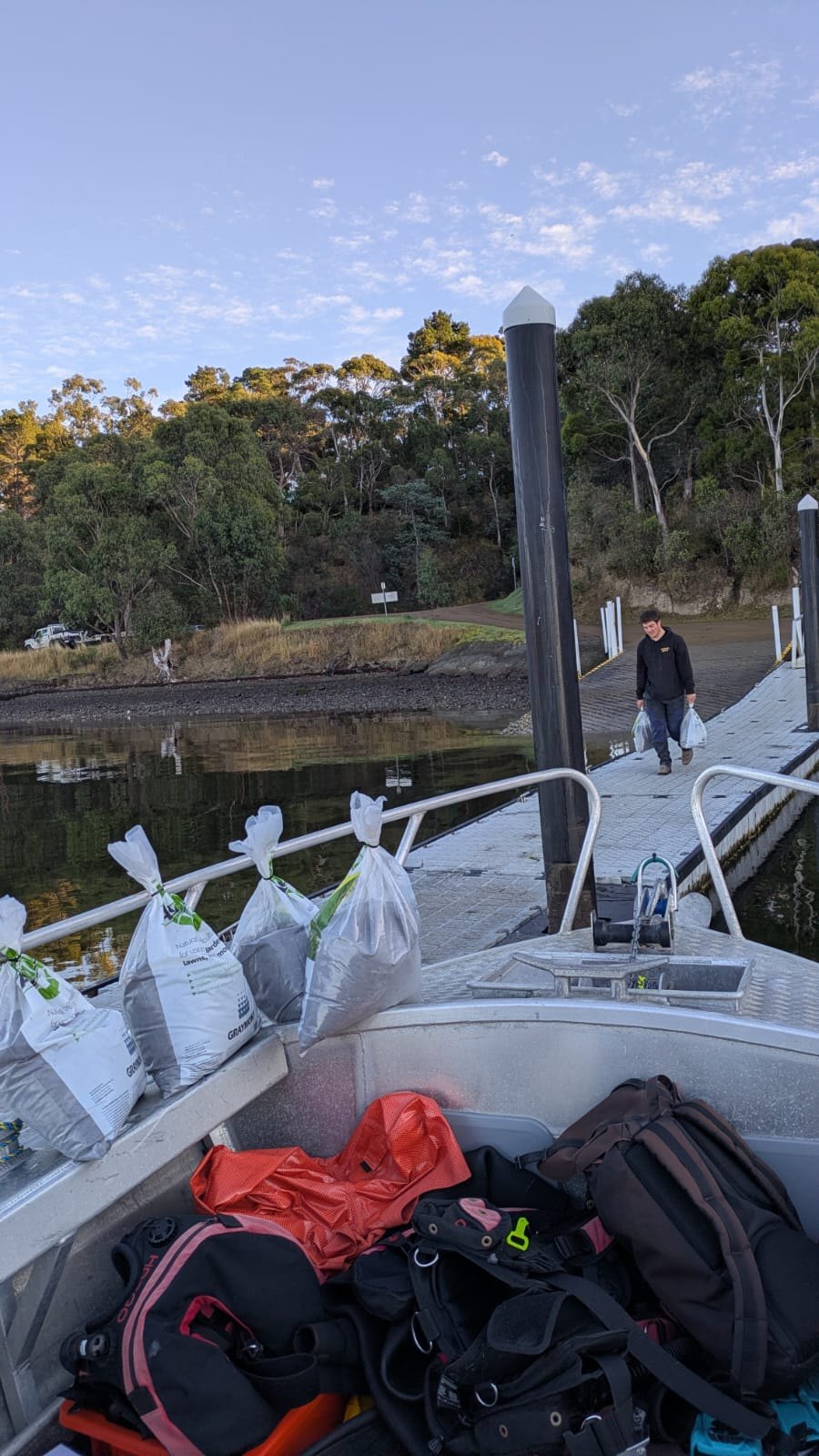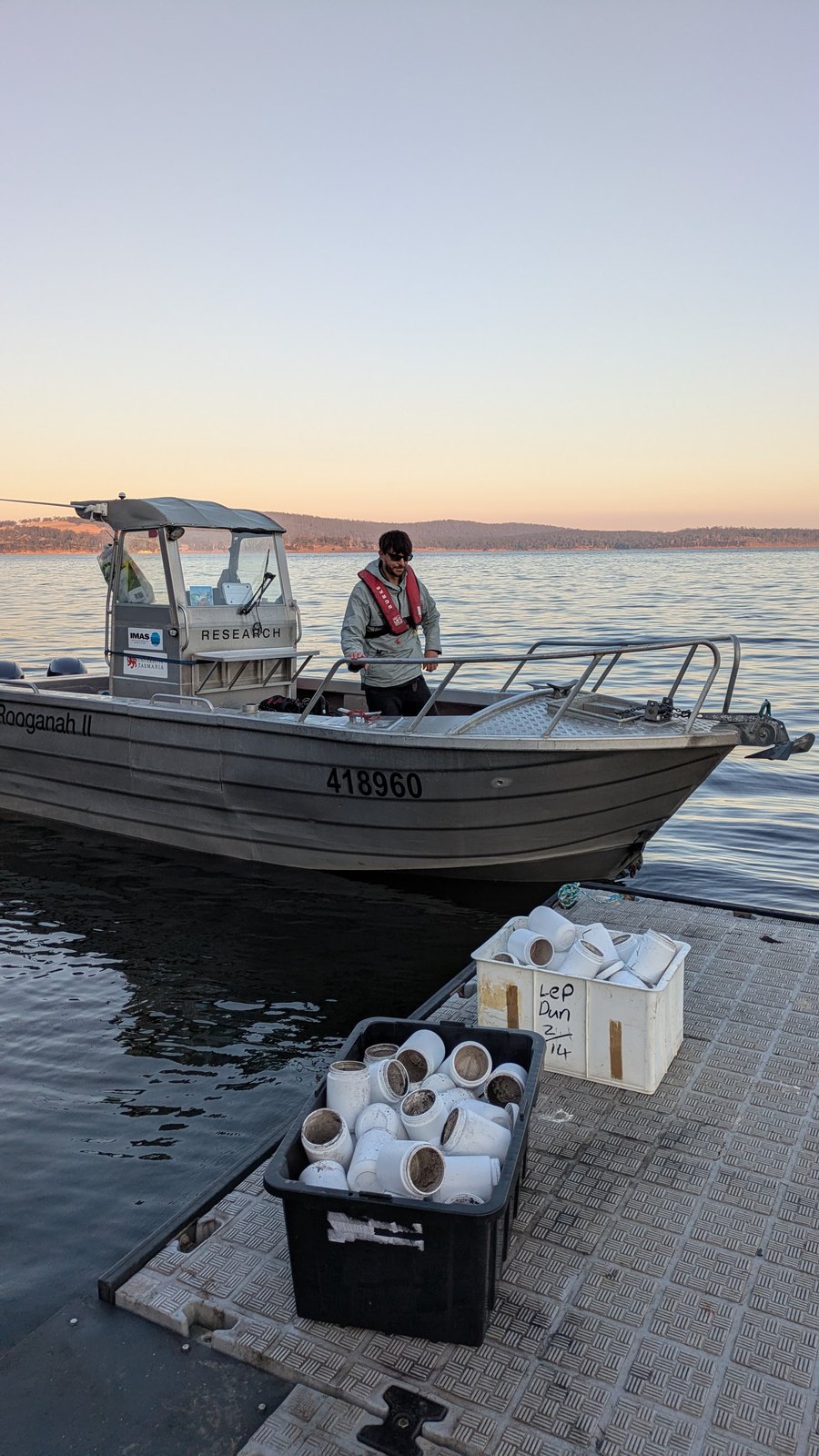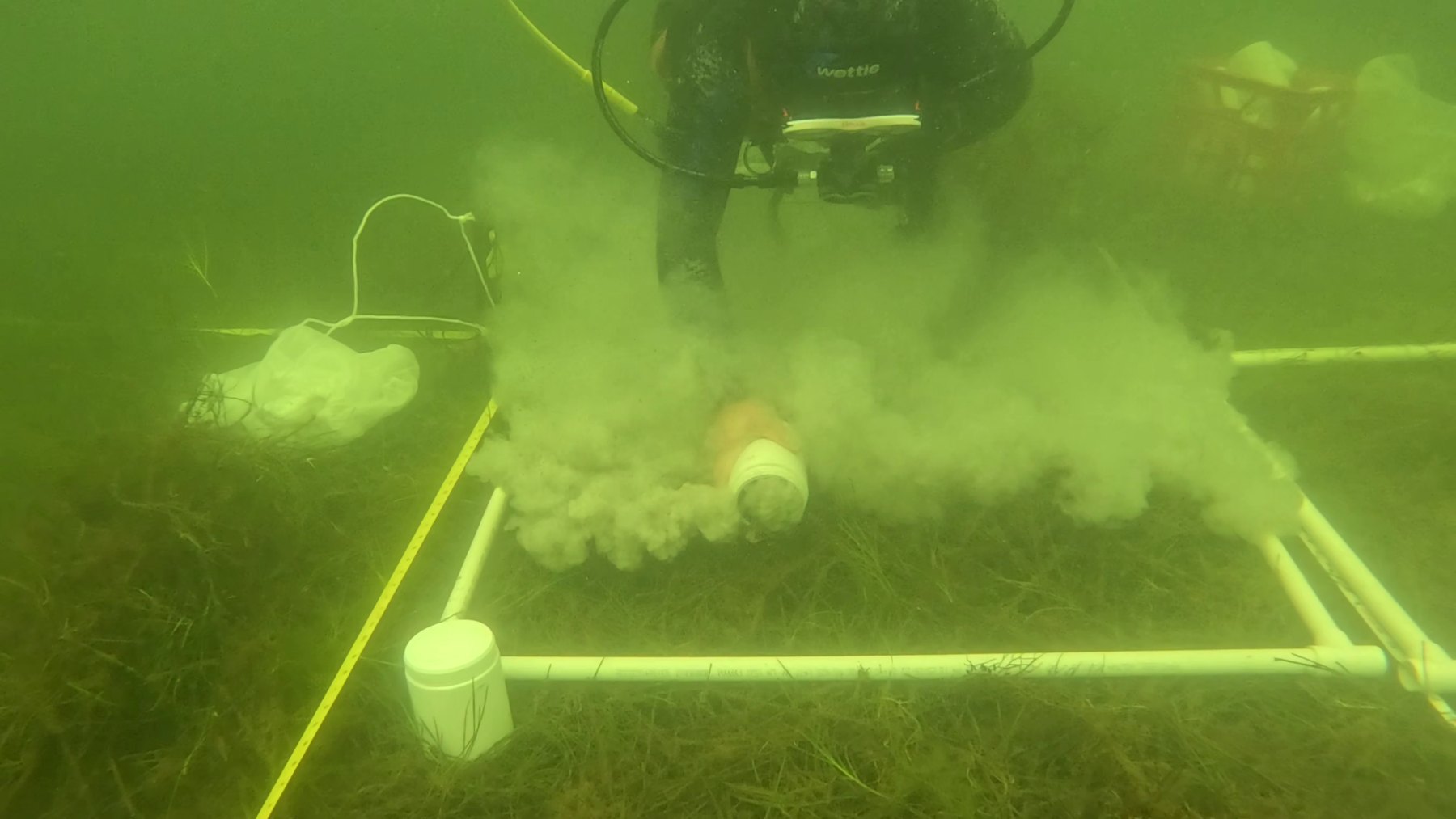
The long moment we've been waiting for - the deployment of 1 tonne of limestone (CaCO3) over 450 m2 for the purpose of coastal liming. The work leading up to this week has been nothing short of gruelling days prepping and hoping all aspects of deployment align. This fortunately included incredibly calm autumn conditions that allowed for easy access to the divers with heavy loads of jars from the boat.
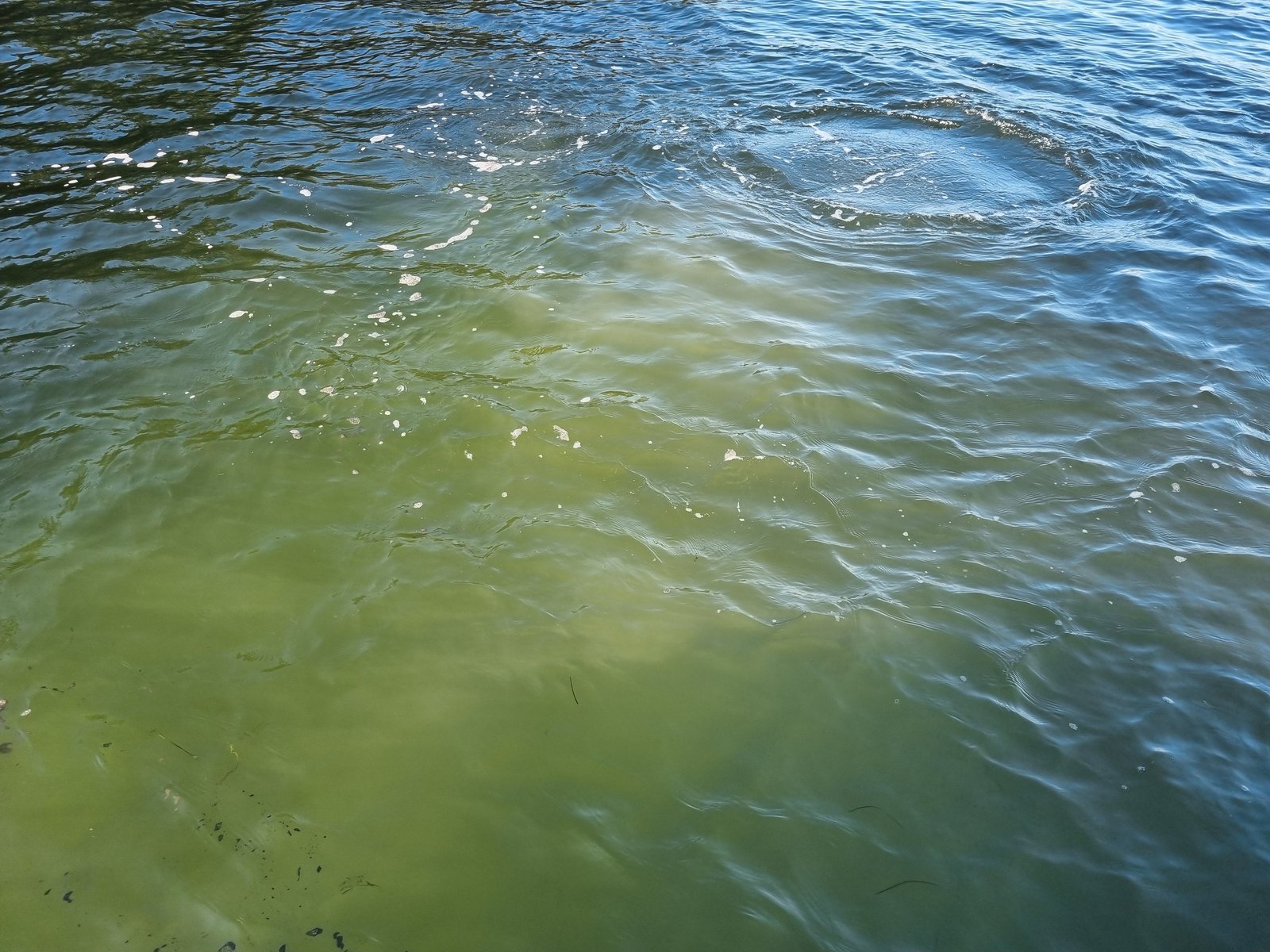
Limestone dispersal methods: To disperse the limestone as evenly as possible, divers Marianne and Damon used a 1 m x 0.75 m quadrat that they laid side by side, starting on one corner of the plot. One jar would be hand shaken about 10-15 cm above the sediment floor 16 times down a one meter wide "row" of the plot. Hanna and Lennart supplied limestone jars from the boat. The divers would lay out the quadrat, open a jar, and shake the limestone evenly within the quadrat. Once done, the quadrat would be moved up the plot by 0.75 m. Because the visibility would become so poor, the divers used transect lines across their "row" to follow. The setup looked like a Mario Party mini game race - who can complete the dispersal the quickest and most importantly with the most homogeneous outcome? That was Marianne by the way.
The limestone deployment took three days to complete 3 plots. We were racing against light with the sun setting around 5:30 pm, which means our workdays had to be cut short. The week did not end with the deployment. Immediately afterwards, we began taking samples, but more on this next time...
Field image gallery