Introduction
Not all coastal sediments behave the same way. Some generate and release large amounts of alkalinity to the overlying water, while others retain much of it within the sediment. These differences are driven by factors such as sediment type, organic matter inputs, burrowing organisms, waves and tides, all of which vary between locations and throughout the year.
Given this biogeochemical variability, it is important to understand the different processes contributing to alkalinity generation and whether that alkalinity is exported out of the sediment and into the water column, where it can meaningfully contribute to CO2 removal. This depends on the physical characteristics of the sediments. Fine, muddy sediments tend to hold onto alkalinity, while coarser and sandier sediments have higher porosity and thus allow alkalinity to be exported out of the sediment more easily. There are also differences in wave action, tides and burrowing organisms.
To make it even more complicated, these processes also shift with the seasons. Warmer months speed up microbial processes generating alkalinity, while also changing how much organic matter arrives at the seafloor. Most existing estimates of sediment alkalinity fluxes do not cover enough of the year to capture this seasonal effect, which could affect how much CO2 removal any given coastal site can realistically deliver.
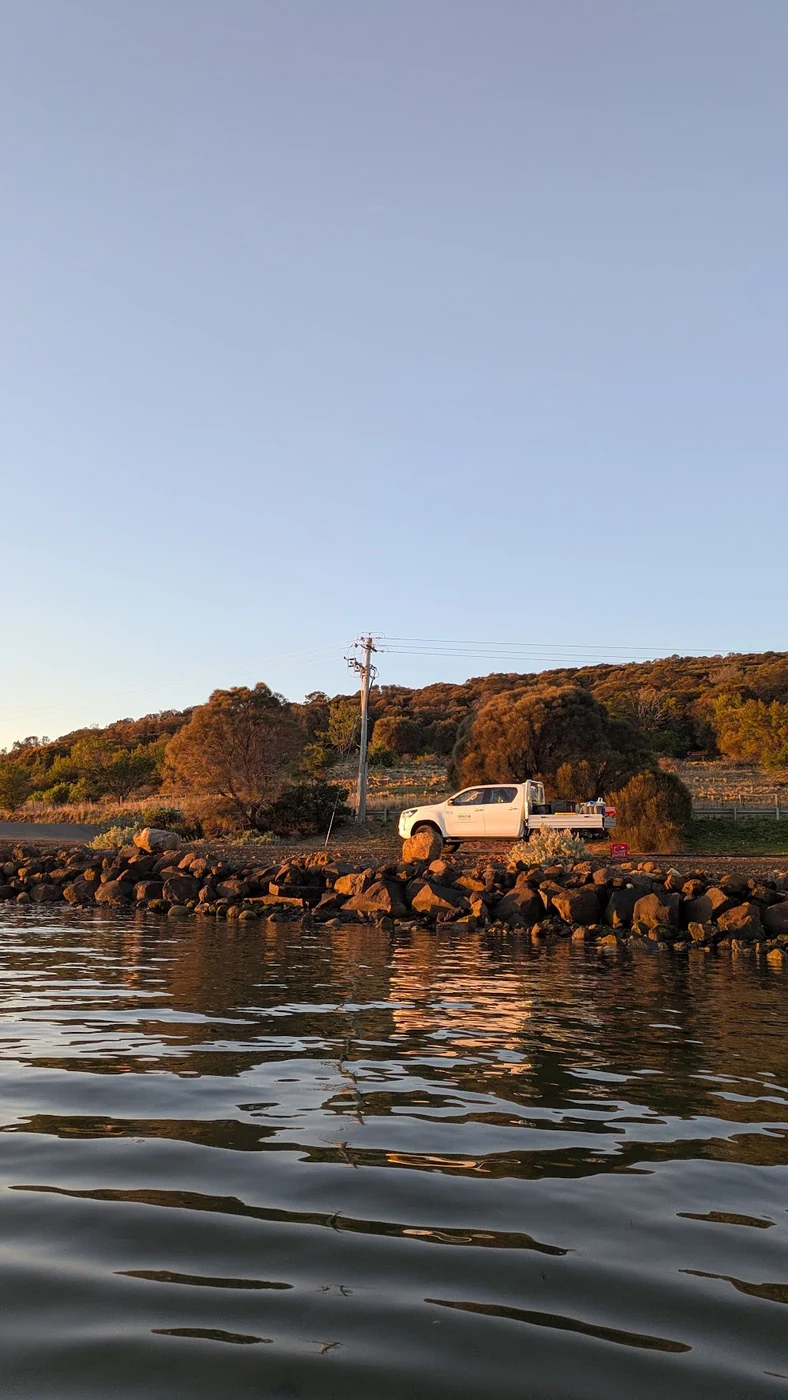
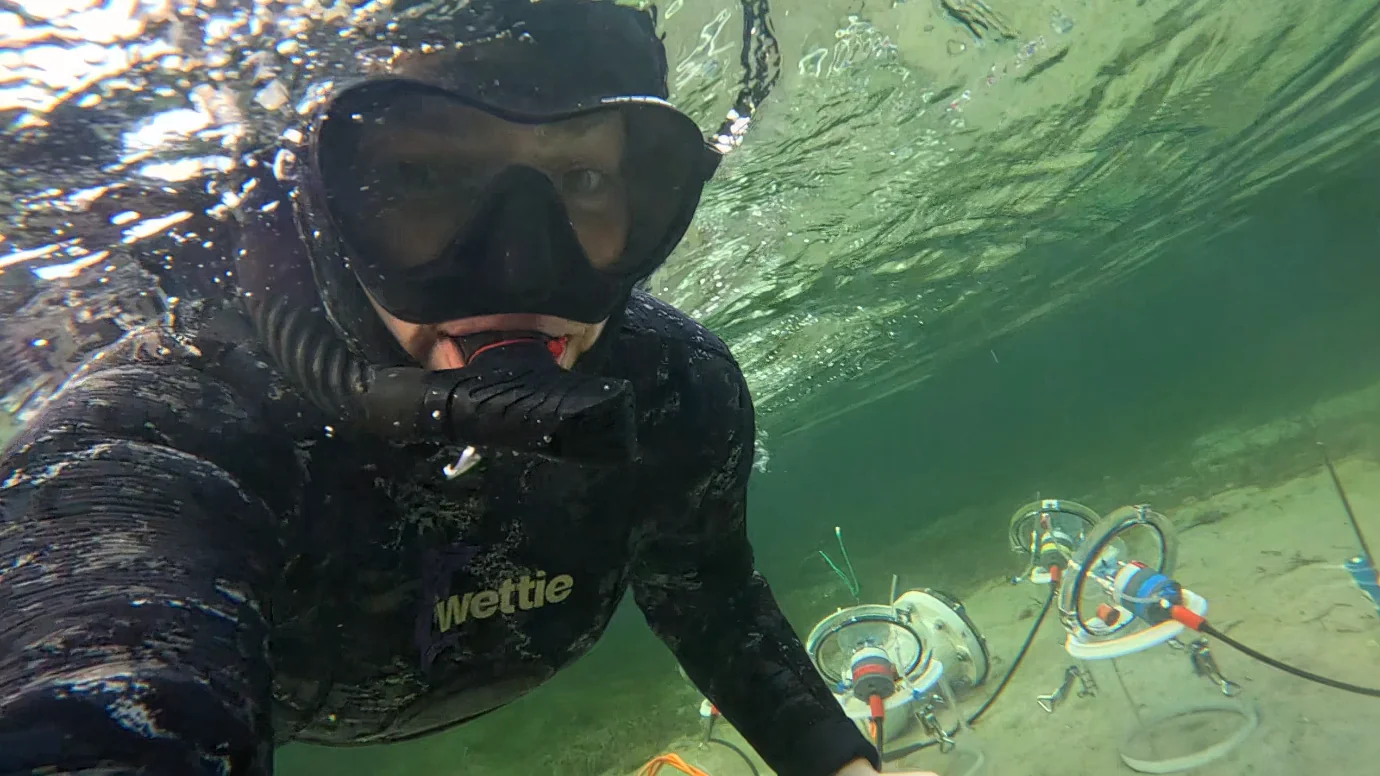
To capture all these factors, I am tracking porewater chemistry monthly across five sites around Hobart, Tasmania. Each site was chosen to represent a different combination of freshwater influence, sediment type, organic loading, and exposure to waves and currents. Alongside this, I am running quarterly in situ chamber deployments to directly measure how much alkalinity and other key parameters are being exchanged between the sediment and the water above. The overall goal is to better understand when, where and why coastal sediments generate alkalinity naturally, and how that background signal might interact with future OAE field studies.